
 1 month ago
29
1 month ago
29
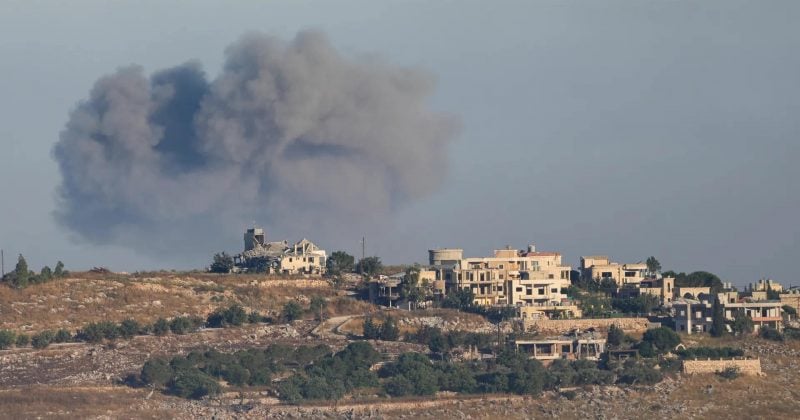
The ongoing US-Israel war on Iran has further strained global energy markets, with Iran’s closure of the Strait of Hormuz disrupting oil exports and pushing prices above $100 per barrel. The odds of an Israel-Iran permanent peace deal by April 30, 2026, are at 3% YES.
Market reaction
The April 30 peace deal market remains flat, with negligible movement despite the conflict’s escalation. Its term structure shows a 10-point increase by June 30, 2026, suggesting traders see potential developments over a longer horizon. The June 30 market is at 14% YES.
Iran’s enriched uranium surrender markets show a shrinking likelihood of resolution. The April 30 market has dropped to 7% YES, down from 12% just a day ago. The June 30 market is priced at 30% YES, leaving some room for progress after April.
Why it matters
Volume across uranium surrender markets is $99,788 in actual USDC traded. It takes $8,525 to move the June 30 market by 5 points, which means a single large trade could shift the price meaningfully. The largest recent move was a 4-point spike in the April 30 market at 9:06 AM.
These odds point to a grim near-term outlook for both peace and nuclear concessions. The entrenched military conflict and economic disruptions from the Hormuz closure are the primary drivers. A YES share in the April 30 uranium surrender market at 7¢ pays $1 if resolved, but at current tensions, that’s a long shot.
What to watch
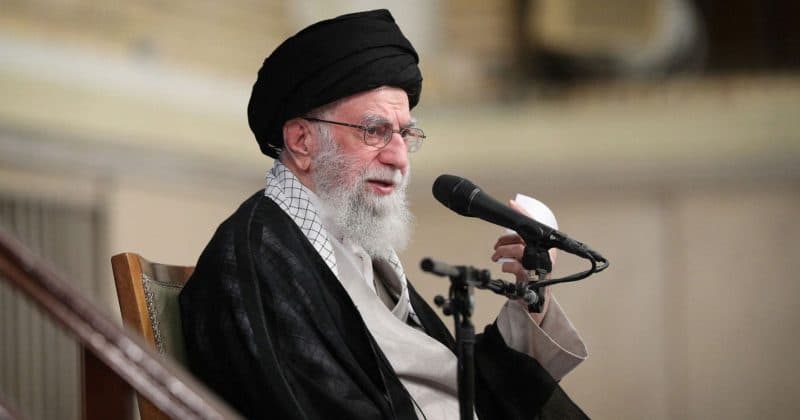
Official statements from Ali Khamenei or Abbas Araghchi could shift these markets. Any change in rhetoric or an unexpected diplomatic opening would directly affect both the peace deal and uranium surrender odds, particularly the June 30 contracts where there’s more room for price movement.
API access
Get prediction market intelligence as a structured API feed. Early access waitlist.







 English (US) ·