
 1 hour ago
19
1 hour ago
19
Iran’s military command shut down the Strait of Hormuz on June 20, citing violations of a freshly signed ceasefire memorandum of understanding with the United States. The trigger: Israeli strikes in southern Lebanon that reportedly killed at least 32 people.
The ceasefire MoU was signed just days earlier, around June 18. It lasted roughly 48 hours before Iran declared it breached.
Why the Strait of Hormuz matters to everyone
The Strait of Hormuz is a narrow waterway between Iran and Oman, and it handles roughly 20% of global oil trade. Every barrel that doesn’t pass through it has to find another, more expensive route, or simply doesn’t move at all.
This isn’t the first time Iran has played this card recently. The current crisis traces back to late February and March 2026, when Iran first began closing the strait in response to escalating regional tensions. Since then, the waterway has experienced repeated disruptions, turning what was once a theoretical threat into an operational reality.
US Vice President JD Vance indicated that diplomatic talks with Iran in Switzerland are still expected to proceed despite the escalation.
Bitcoin enters the geopolitics chat
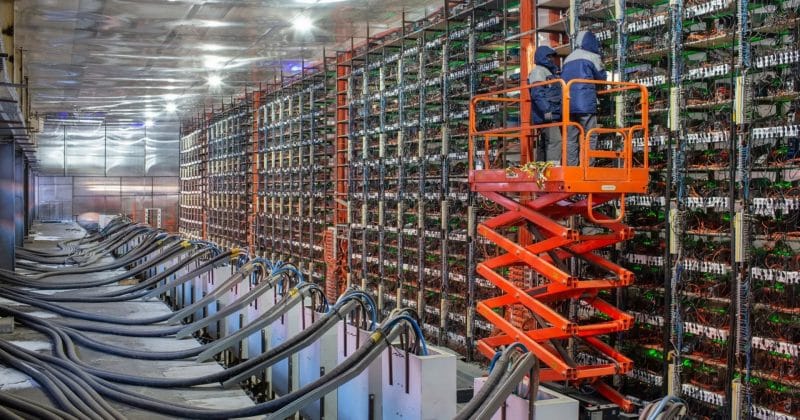
Iran has proposed that transit tolls through the Strait of Hormuz could be paid in Bitcoin or stablecoins, at a rate of approximately $1 per barrel of oil passing through.
Bitcoin has already been reacting to the news cycle around the Strait of Hormuz with notable volatility. Prices dipped below $80K during recent closure announcements, with brief surges in the $77K to $78K range as reports of reopenings circulated.
What this means for investors
The Iranian Revolutionary Guard Corps attributed the closure to perceived violations by both the US and Israel, framing it as a defensive response rather than an offensive escalation. That narrative matters because it determines how the international community responds, which is presumably why Vance’s team is still signaling that Swiss talks will proceed.
Disclosure: This article was edited by Editorial Team. For more information on how we create and review content, see our Editorial Policy.





 English (US) ·