
 1 hour ago
20
1 hour ago
20
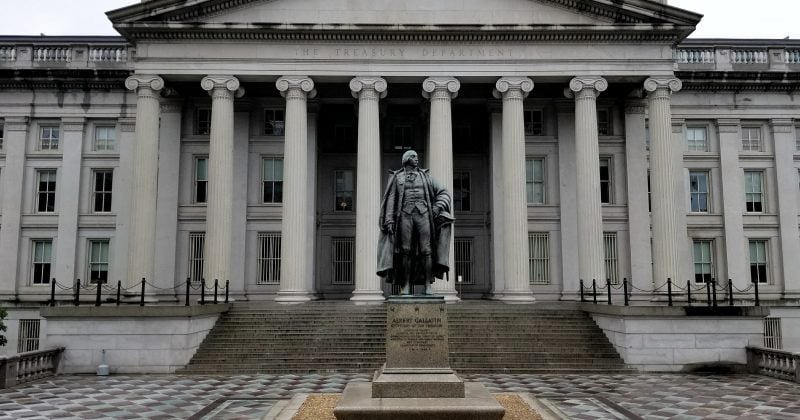
Iran is knocking on Japan’s door again, and this time it’s bringing oil. The National Iranian Oil Company (NIOC) has opened discussions with Japanese refiners about resuming crude exports, part of a broader push to reconnect with Asian buyers after the US Treasury issued a 60-day sanctions waiver on June 22, 2026.
The waiver, known as General License X, permits dollar-denominated trade of Iranian crude oil, petrochemicals, and petroleum products through August 21, 2026. It’s tied to a memorandum of understanding between Washington and Tehran linked to ongoing peace negotiations and efforts to stabilize the Strait of Hormuz.
But Japanese buyers aren’t exactly rushing to place orders. They want a longer waiver period and concrete shipping guarantees before committing capital to a trade that could become illegal again in less than two months.
The 68-million-barrel problem
Approximately 68 million barrels of Iranian crude were sitting on tankers as of the waiver’s announcement, with over 80% of those barrels lacking clear destinations.
NIOC has been proactive, reaching out to refiners in Japan, India, and South Korea even before the waiver formally activated. The strategy is clear: diversify away from China, which has been Iran’s primary crude customer during the sanctions era, often at steep discounts.
Asian refiners have flagged the two-month window as fundamentally inadequate for full compliance. Setting up payment channels, arranging shipping insurance, conducting due diligence on intermediaries, all of this takes time. And if the waiver expires without renewal, anyone caught mid-transaction faces potential secondary sanctions from the US.
Many importers have already locked in alternative supplies precisely because of this uncertainty.
Geopolitics meets energy markets
The waiver exists within a delicate diplomatic context. The June 2026 memorandum of understanding between the US and Iran represents the most significant direct engagement between the two countries in years, with ceasefire negotiations and regional stability as the broader objectives.
The short duration of General License X reflects Washington’s hedging: enough of an opening to demonstrate good faith, not enough to constitute a full policy reversal.
What this means for crypto investors
The dollar-denomination requirement of General License X is worth watching. By insisting that Iranian crude trade occur in US dollars, Washington is reinforcing the dollar’s role in global energy markets.
For traders positioning around energy-related volatility, the key variable isn’t whether Iran resumes exports to Japan. It’s whether the 60-day waiver gets extended. If the waiver expires without renewal on August 21, expect a snapback in energy market uncertainty.
Disclosure: This article was edited by Editorial Team. For more information on how we create and review content, see our Editorial Policy.







 English (US) ·