
 1 hour ago
23
1 hour ago
23
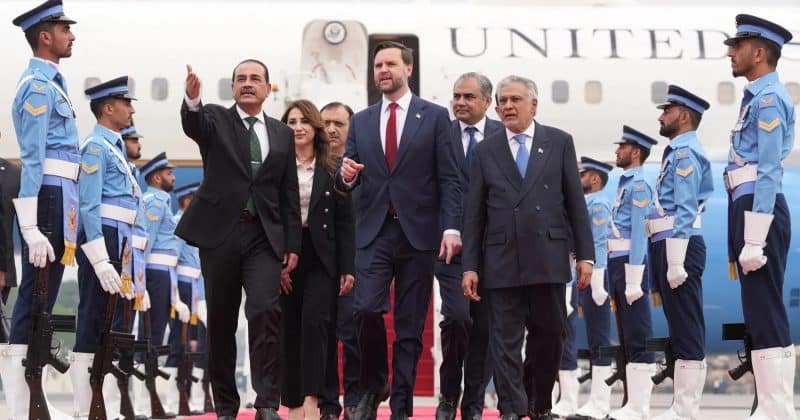
The US, Iran, and Lebanon have agreed to establish a “de-confliction cell” aimed at managing and ultimately halting military operations in Lebanon. The agreement, announced on June 21, 2026, came out of talks held in Switzerland and mediated by Qatar and Pakistan.
What the deal actually includes
The agreement establishes a High Level Committee to oversee the de-confliction process. This committee will be responsible for monitoring compliance and managing the transition from active hostilities to a structured ceasefire framework.
The parties have set a two-month window for further dialogues aimed at refining the operational details and working toward a comprehensive resolution.
Iran’s Foreign Minister Abbas Araghchi pointed to the potential easing of oil export restrictions, the lifting of blockades, and progress on the release of frozen Iranian assets as part of a wider reconstruction initiative for Lebanon.
US Vice President JD Vance acknowledged tangible advancements from the talks while noting the need for further technical assessments.
The mediators, Qatar and Pakistan, played a central role in getting all parties to the table. Both countries confirmed that the agreement creates a structured pathway toward de-escalation. Qatar and Pakistan had previously facilitated ceasefires and a memorandum of understanding earlier in June aimed at reducing hostilities.
Why this matters beyond the Middle East
Iran has long operated under a web of financial sanctions that extends into the digital asset space. Iranian exchanges like Nobitex have been part of the broader sanctions discourse, and any movement on lifting restrictions could reshape how Iranian capital flows interact with global crypto markets.
The conflict in Lebanon, particularly involving Hezbollah, has been one of the key flashpoints driving uncertainty across risk assets throughout 2026. A fragile ceasefire has been in place, but hostilities have continued to flare up.
The crypto market implications
Sanctions relief for Iran could introduce new liquidity dynamics into crypto markets. Iranian traders and institutions currently operate under significant restrictions that limit their participation in global exchanges.
The reconstruction plan for Lebanon that Araghchi referenced is another variable worth watching. In a world where crypto is increasingly used for cross-border remittances and payments, Lebanon’s rebuilding could create new demand channels for digital assets.
The two-month timeline for further negotiations means there are plenty of opportunities for things to fall apart. Any setback, whether a violation of the de-confliction framework or a political shift in Washington or Tehran, could send risk assets into a tailspin.
Traders positioning around geopolitical risk should watch for the composition and mandate of the High Level Committee, as that will signal how seriously the parties are taking enforcement.
Disclosure: This article was edited by Editorial Team. For more information on how we create and review content, see our Editorial Policy.





 English (US) ·