
 1 hour ago
12
1 hour ago
12
## Market Snapshot
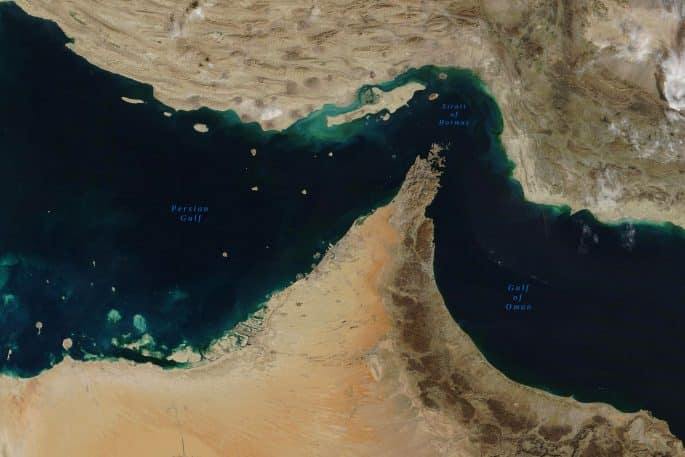
The Strait of Hormuz ship transit market shows a 68% likelihood for at least 20 ships to transit by May 31, up from 45% a day ago. WTI Crude Oil market indicates a 48% chance for prices hitting $110 in May, reflecting increased geopolitical tensions.
## Key Takeaways
– Market activity suggests that Iran’s toll scheme and dual blockade are consistent with decreased ship transits through the Strait of Hormuz. – Pricing in the WTI Crude Oil market implies an increased likelihood of price hikes due to supply constraints from the Strait of Hormuz situation. – Observers note a potential ripple effect, with other regions possibly adopting similar transit fees, affecting global shipping routes and energy supplies.
## Article Body
Iran’s new toll regime for vessels transiting the Strait of Hormuz has taken full effect amid heightened geopolitical tensions following recent military engagements. The tolls, exceeding $1 million per ship, come alongside a dual blockade that has drastically reduced shipping traffic through the strait, a crucial chokepoint for global oil supply. This move is seen as an unprecedented assertion of control by Iran over a major maritime artery, impacting approximately 20% of the world’s oil flow. The U.S. Navy’s blockade of Iranian ports further complicates the situation, with significant implications for international shipping and energy markets.
## Market Interpretation
Market reactions to Iran’s control over the Strait of Hormuz reflect a high-impact scenario. The pricing in the ship transit market suggests a decreased probability of significant vessel movement due to the tolls and security risks. Similarly, the WTI Crude Oil market shows an increased likelihood of price surges, consistent with reduced oil supply from the region. Both markets indicate significant geopolitical and economic implications, with a moderate to high impact on global trade and energy prices.
## What to Watch
Key developments to monitor include any changes in Iran’s toll policy or U.S. naval strategy in the region, which could alter shipping dynamics and market expectations. Additionally, diplomatic efforts or military actions by the U.S. and its allies could significantly influence future transits through the Strait of Hormuz. Observers should also watch for potential moves by other countries to implement similar toll schemes, which could further disrupt global shipping and energy supply chains.
Get prediction market intelligence as a structured API feed. Early access waitlist.
Will Ships Transit The Strait Of Hormuz On Any Day May 31
What Price Will Wti Hit In May 2026
⚡ Also Impacted by This Story
Strait of hormuz ship transit bearish
68% FLAT
WTI crude oil prices in may 2026 bullish
2% FLAT








 English (US) ·