
 1 hour ago
20
1 hour ago
20
https://time.com/article/2026/06/26/strait-hormuz-iran-strike-vessel-un-escort-shipping-oil-trump/
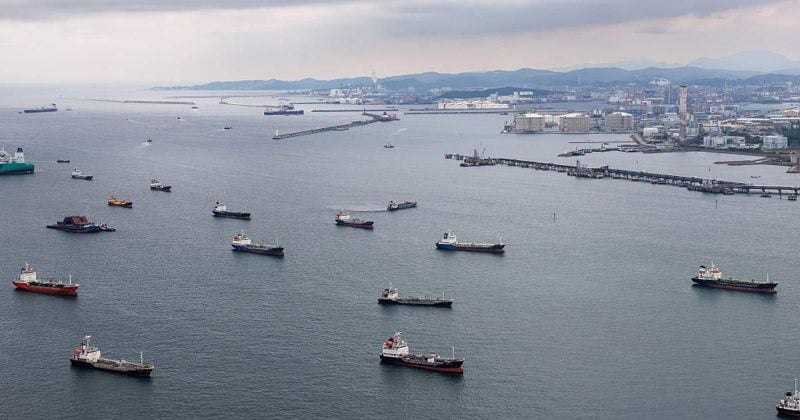
Iran has announced that foreign vessels transiting the Strait of Hormuz must adhere strictly to routes designated by its armed forces, according to a statement by the head of parliament’s national security and foreign policy committee. This development is part of Iran’s broader strategy to exert more control over this critical maritime passage, which is a vital conduit for global oil supply. The move comes amidst heightened geopolitical tensions in the region, particularly between Iran and the United States. The directive from Iran’s leadership could potentially escalate tensions further, as it imposes additional restrictions on international navigation in a zone already fraught with conflict.
The strategic importance of the Strait of Hormuz, through which a significant portion of the world’s oil passes, makes any restriction on navigation a matter of global concern. Iran’s enforcement of a new transit approval system, requiring detailed vessel information before passage, has already resulted in a bottleneck crisis, with commercial shipping traffic reportedly at a standstill. The United States and other nations have criticized Iran’s actions, warning of potential disruptions to global oil markets and the security of maritime navigation.
Markets are closely watching these developments, as they may have significant implications for geopolitical stability and international trade routes. The situation is also drawing attention to potential military responses from other nations, which could further impact maritime security dynamics in the region.
Key Takeaways
- Iran’s directive appears consistent with scenarios where increased control over the Strait of Hormuz could escalate regional tensions, potentially impacting global oil supply.
- Market pricing suggests increased likelihood that countries may respond by sending naval forces to ensure freedom of navigation.
- The current traffic standstill in the Strait of Hormuz may indicate heightened restrictions, suggesting challenges to normalizing shipping operations.
What to Watch
Observers should monitor any official announcements from key actors like the U.S. Department of Defense or allied nations regarding military deployments to the region. Developments in diplomatic engagements between Iran and other countries could also influence market expectations of maritime security. Statements from international organizations, such as the International Maritime Organization, may provide further indications of the situation’s impact on global shipping routes.
Get prediction market intelligence as a structured API feed. Early access waitlist.
⚡ Also Impacted by This Story
Countries sending warships through hormuz by june 30 bullish
1% FLAT







 English (US) ·