
 1 hour ago
26
1 hour ago
26
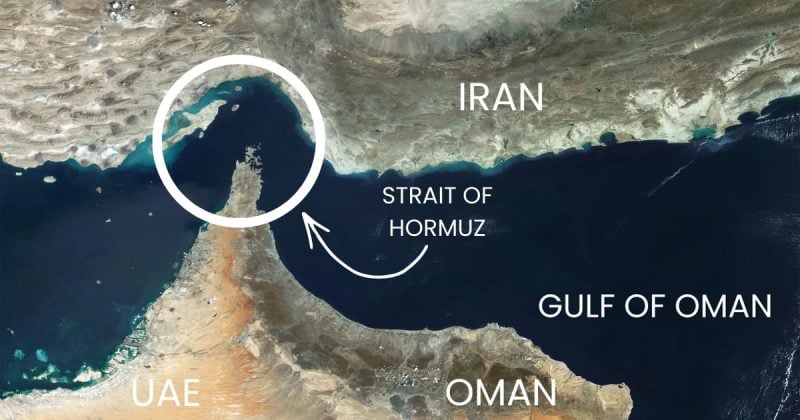
The recent collapse of a ceasefire in the ongoing US-Iran conflict has intensified tensions in the Gulf, drawing Jordan and Bahrain further into the regional turmoil. Over the weekend, Iran launched missiles and drones targeting US military facilities in these nations, escalating the conflict beyond previous limited exchanges. This development follows large-scale US strikes on Iranian territory, marking a significant expansion of hostilities. The targeting of strategic locations such as Jordan’s Prince Hassan Air Base and Bahrain’s US Fifth Fleet underscores the heightened risk of a broader regional conflict with potential global economic implications.
Key Takeaways
- The escalation in hostilities appears to reduce the likelihood of a diplomatic resolution involving reconstruction funding in a US-Iran deal by the end of 2026.
- Market pricing suggests a decrease in confidence that Iran will agree to key terms such as uranium enrichment caps or a moratorium in any forthcoming agreement.
- The ongoing military exchanges and targeted attacks on host nations of US forces could indicate an increased probability of further conflict and disruption in the region.
What to Watch
Observers should monitor the actions of key actors such as US President Donald Trump, who may influence the direction of negotiations and military strategy. The roles of mediators from Qatar and Pakistan may also be pivotal if diplomatic efforts intensify. Additionally, any further military actions or statements from Iranian leadership could significantly impact market perceptions regarding the prospects of a US-Iran deal. These developments are crucial indicators of whether current tensions will escalate or move towards resolution.
Get live prediction-market analysis, powered by Vera. Sign up for Vera.
Disclosure: This article was edited by Estefano Gomez. For more information on how we create and review content, see our Editorial Policy.






 English (US) ·