
 2 hours ago
24
2 hours ago
24
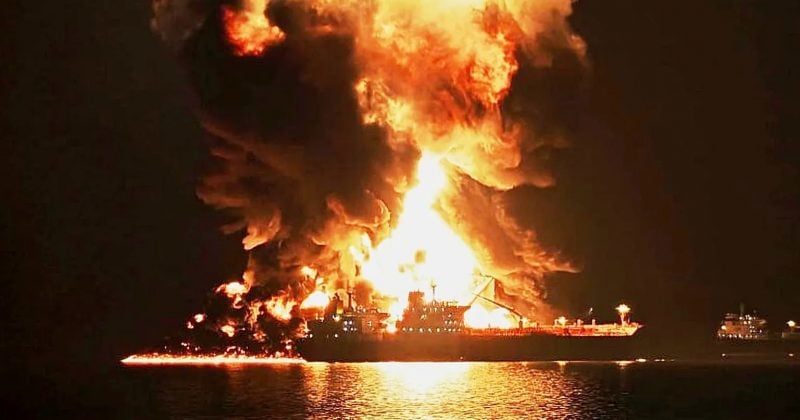
Iranian cruise missiles struck two oil tankers in the Strait of Hormuz on July 14, killing one Indian crew member and injuring eight others. India responded by summoning Iran’s Deputy Chief of Mission to deliver a formal protest.
The targeted vessels, MT Mombasa and MT Al-Bahiyah, were sailing under UAE flags when the missiles hit. Among the wounded were six Indian nationals and two Ukrainians, with four of them in serious condition. Fires broke out on both tankers but were contained before causing extensive material damage.
The chokepoint that holds the global economy hostage
The Strait of Hormuz is the narrow passage through which roughly one-fifth of the world’s oil and gas supply moves every single day. That translates to approximately 15 million barrels daily, worth more than $1.2 billion.
The UAE’s Ministry of Defence condemned the strikes as a “blatant attack” and asserted its right to respond.
Regional tensions have been climbing since late February 2026, when military operations involving the US and Israel against Iranian interests intensified. The Hormuz strikes represent Iran directly targeting commercial shipping tied to a Gulf state adversary.
The tankers were linked to ADNOC, the Abu Dhabi national oil company, and this wasn’t the first time vessels with Indian crews have been caught in the crossfire.
India steps in, and that changes the calculus
India is Iran’s neighbor, a major oil importer, and historically one of Tehran’s few remaining economic partners willing to navigate US sanctions. India also has one of the world’s largest merchant marine workforces, with Indian sailors crewing a significant share of global commercial vessels.
India’s decision to summon Iran’s deputy ambassador, rather than issuing a quieter behind-the-scenes complaint, signals that Iran’s actions are alienating even sympathetic parties.
Disclosure: This article was edited by Editorial Team. For more information on how we create and review content, see our Editorial Policy.




 English (US) ·