
 1 month ago
53
1 month ago
53
The Bank of Japan is expected to raise its short-term policy rate to 1% on June 16, 2026. That would be the highest level in 31 years, and apparently, a newly minted US-Iran peace deal isn’t going to change a thing about it.
Seisaku Kameda, a former economist at the BOJ, stated on June 15 that the geopolitical agreement between Washington and Tehran will have no bearing on the central bank’s trajectory for rate hikes. Japan’s monetary policymakers have their eyes fixed squarely on domestic inflation dynamics, not Middle Eastern diplomacy.
The BOJ’s quiet revolution
The anticipated move to 1% would represent a decisive step in what Kameda described as the BOJ’s strategy of incrementally raising rates twice per year. The goal: normalize monetary policy and address persistently low real borrowing costs that have defined Japan’s economic landscape for a generation.
Kameda indicated that further rate hikes could follow in the fourth quarter of 2026. In other words, 1% isn’t the ceiling. It’s a waypoint.
The BOJ has been navigating stagflationary pressures, meaning the economy faces both sluggish growth and sticky inflation simultaneously.
Why the peace deal doesn’t matter (to the BOJ)
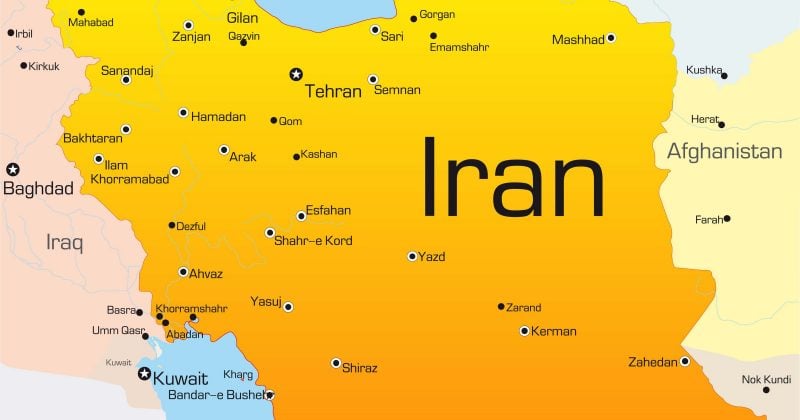
The US-Iran peace agreement, announced between June 12 and June 15, was aimed at stabilizing a geopolitical situation that had previously roiled energy markets. The conflict had affected expectations for BOJ interest rate hikes, which were initially projected for April 2026 but subsequently postponed to June due to the impact of geopolitical unrest.
Some analysts had initially expected those energy-driven price pressures to delay rate hikes. The peace deal is likely to alleviate immediate price pressures in energy markets. But Kameda’s message was clear: the BOJ was going to hike regardless. The domestic case for normalization, built on Japan’s own inflation trajectory and the need to move away from abnormally low real rates, was always the primary driver.
The Japanese yen reflected this steady-as-she-goes sentiment, trading flat around 160.20 against the US dollar following the peace deal announcement.
What this means for investors and crypto markets
Higher Japanese rates make domestic assets, particularly Japanese government bonds, more attractive on a yield basis. For years, the carry trade, where investors borrow cheaply in yen and invest in higher-yielding assets elsewhere, has been a staple of global finance. As Japanese yields rise, the economics of that trade shift.
The research notes there remain no concrete connections to cryptocurrency trends or tokens in the discourse surrounding BOJ policy adjustments. The yen carry trade unwind in early August 2024, which briefly rattled global equity and crypto markets, demonstrated how interconnected Japanese monetary policy and global risk sentiment can be.
For crypto-native investors watching from the sidelines, the key metric to track isn’t the rate itself but the yen’s behavior. If USD/JPY starts moving meaningfully below the 160 level on sustained BOJ tightening, it could signal a broader shift in capital flows.
Disclosure: This article was edited by Editorial Team. For more information on how we create and review content, see our Editorial Policy.




 English (US) ·