
 1 hour ago
16
1 hour ago
16
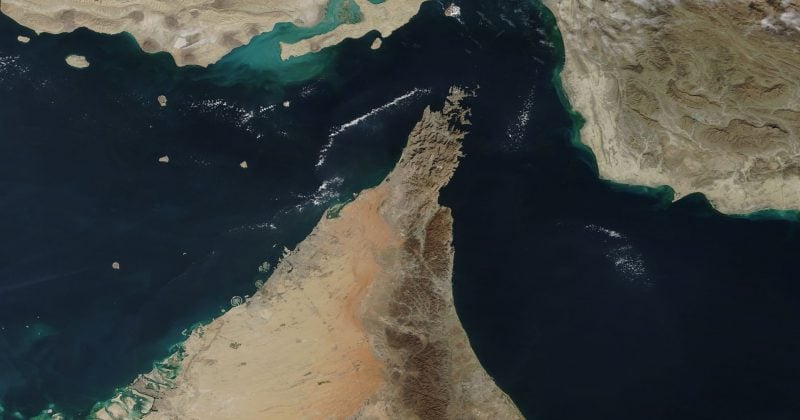
The Strait of Hormuz, a narrow waterway roughly 21 miles wide at its tightest point, moves around 20% of the world’s oil supply every single day. Right now, that chokepoint is caught in a diplomatic standoff with no clean exit in sight.
Iran rejected an Omani proposal on July 11, 2026, that would have established two separately controlled shipping corridors through the strait. Tehran’s Foreign Minister Abbas Araghchi pushed back on the idea, insisting instead on a single joint management framework shared between Iran and Oman. The Omani government had pitched the dual-corridor approach as a practical compromise. Iran said no.
What the breakdown actually means
Iran rejecting it outright is not a minor procedural disagreement. It signals Tehran wants structural control over the strait’s management, not just a seat at the table alongside its neighbor.
The backdrop makes this more pointed. A June 17 memorandum of understanding between the US and Iran established a 60-day window of toll-free navigation for commercial vessels, essentially a temporary ceasefire for shipping traffic while broader negotiations played out. That window is now ticking down.
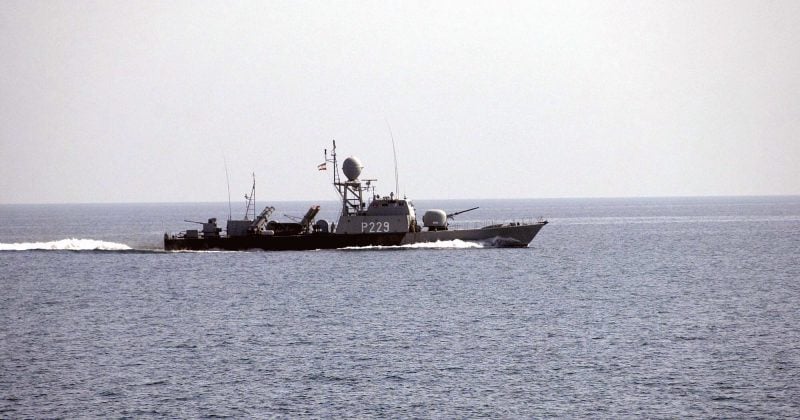
The ceasefire, such as it is, has not held cleanly. At least five commercial vessels have been attacked in or near the strait since the MOU was signed, with the Iranian Revolutionary Guard Corps linked to the incidents. Shipping traffic through the corridor remains well below normal levels as of mid-July 2026.
Oil markets, diplomacy, and the crypto angle
The US and UK are reportedly organizing a high-level international conference aimed at stabilizing maritime security in the strait before the 60-day toll-free period expires.
Earlier reports suggested Iran was exploring Bitcoin-based payment mechanisms tied to maritime passage and trade facilitation through the strait. Those claims remain contested, but the timing is not random. Iran has been under heavy sanctions for years and has previously used crypto as a workaround for dollar-denominated financial systems.
Iran’s insistence on joint control rather than separate corridors suggests it wants a veto-capable role in determining which vessels transit and under what conditions. For shipping companies and their insurers, that distinction matters enormously. A joint management framework where Iran holds blocking power over vessel passage creates a fundamentally different risk environment than a bilateral corridor arrangement administered by Oman.
The US-UK conference, if it materializes and produces a coherent multilateral framework for strait security, could stabilize the situation before the June MOU’s 60-day window closes. If it doesn’t, or if Iran rejects that framework too, the strait enters a period of genuinely unresolved governance at exactly the moment when attacks on commercial vessels are already happening.
Disclosure: This article was edited by Editorial Team. For more information on how we create and review content, see our Editorial Policy.






 English (US) ·