
 1 month ago
47
1 month ago
47
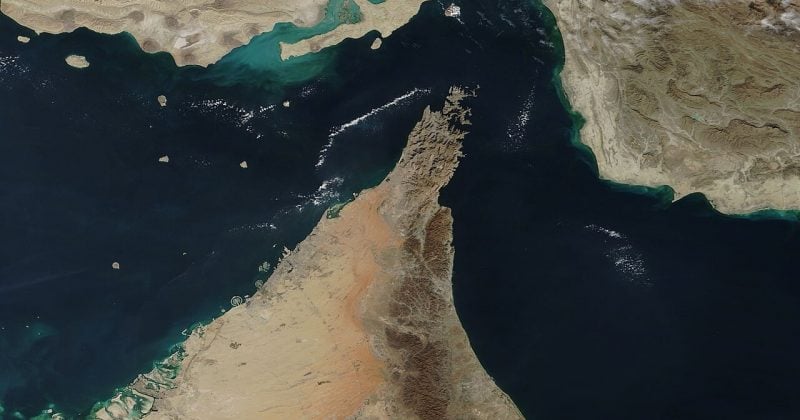
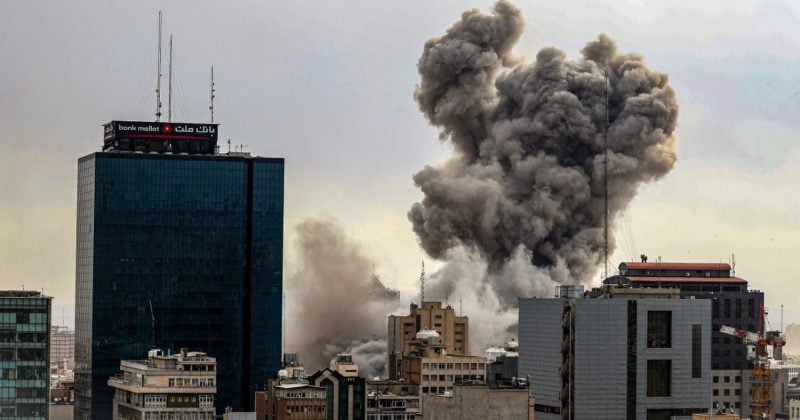
Iran’s army shot down an Israeli-made surveillance drone over Hormozgan province on May 24, placing one of the world’s most strategically important waterways at the center of a new escalation. The interception happened near the Strait of Hormuz, the narrow chokepoint through which a significant share of global oil shipments pass daily.
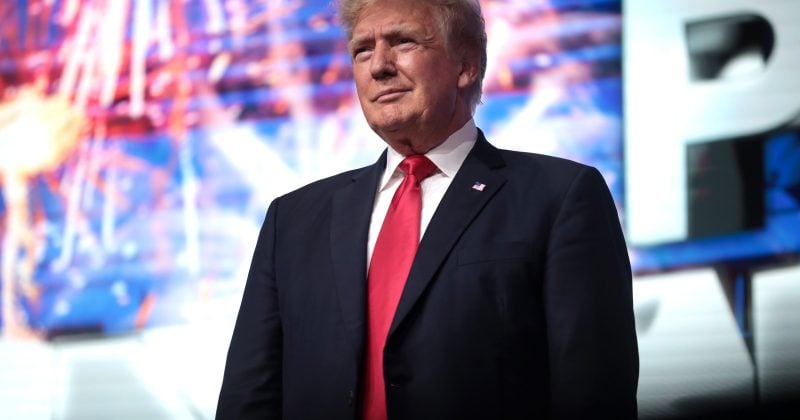
The timing is what makes this more than a routine military incident. The drone was downed while the United States and Iran were reportedly moving toward a peace memorandum, with President Trump hinting at rapidly advancing diplomatic talks.
What we know about the interception
The drone was an Orbiter, a reconnaissance and intelligence-gathering platform manufactured by Israel’s Aeronautics Group. Iranian air defense units intercepted the Orbiter, and naval forces subsequently assisted in recovering wreckage from the site. The Iranian Army labeled the drone as belonging to the “aggressor US-Zionist enemy.”
The Israeli Defense Forces stated they were “not familiar with the incident.”
Six days later, on May 30, Iran reported downing a second Orbiter drone near Qeshm Island, a location even closer to the Strait of Hormuz. US forces intercepted Iranian drones near the Strait of Hormuz on May 27 and 28, meaning both sides were actively engaging unmanned aircraft in the same narrow corridor within the same week.
The Strait of Hormuz factor
For anyone wondering why a downed surveillance drone matters beyond military circles, the answer is geography. The Strait of Hormuz is the single most important bottleneck in global energy markets. Disruptions in this corridor have historically triggered oil price spikes that ripple through every corner of the global economy.
What this means for investors
The more immediate concern for traders is the signal this sends about the credibility of any forthcoming agreement. Two drone interceptions in a week, combined with US-Iran aerial engagements in the same corridor, suggests that whatever is happening at the negotiating table has not yet translated into restraint on the ground.
For crypto investors specifically, the watchlist item is oil. If Brent crude starts pricing in sustained Hormuz risk, expect correlated pressure across risk assets.
Disclosure: This article was edited by Editorial Team. For more information on how we create and review content, see our Editorial Policy.





 English (US) ·