
 1 hour ago
17
1 hour ago
17
Iran walked away from scheduled technical discussions with the United States in Switzerland, citing unmet conditions from a memorandum of understanding the two countries signed in June 2026. The move effectively freezes a diplomatic process that had, briefly, given markets something resembling hope.
The Islamabad Memorandum of Understanding, signed around June 17, 2026, was supposed to kick off a 60-day negotiation window covering Iran’s nuclear program, the reopening of the Strait of Hormuz for oil transport, and sanctions relief. Roughly half that window has now elapsed with one party refusing to show up.
What went wrong
Iran’s decision to skip the talks wasn’t spontaneous. Iranian officials pointed to two factors: ongoing regional military operations, particularly Israeli actions involving Hezbollah in Lebanon, and what Tehran described as a failure by Washington to deliver on early compliance measures outlined in the MOU.
Iran has consistently demanded visible, tangible steps before deepening engagement. That means actions like releasing frozen assets or easing specific sanctions, not just verbal commitments.
The US delegation, led in part by Vice President JD Vance during the Trump administration’s diplomatic push, signaled willingness to continue the process. Mediators from Pakistan and Qatar, who helped broker the original MOU, now face the task of coaxing both parties back to the table before the 60-day clock runs out.
The negotiations were designed to de-escalate over 100 days of escalating conflict in the region that stretched across early 2025 and into 2026.
The crypto angle: Nobitex sanctions and digital asset volatility
On June 2, 2026, the US Treasury sanctioned Nobitex, Iran’s largest digital asset exchange, alleging the platform was being used to evade American sanctions.
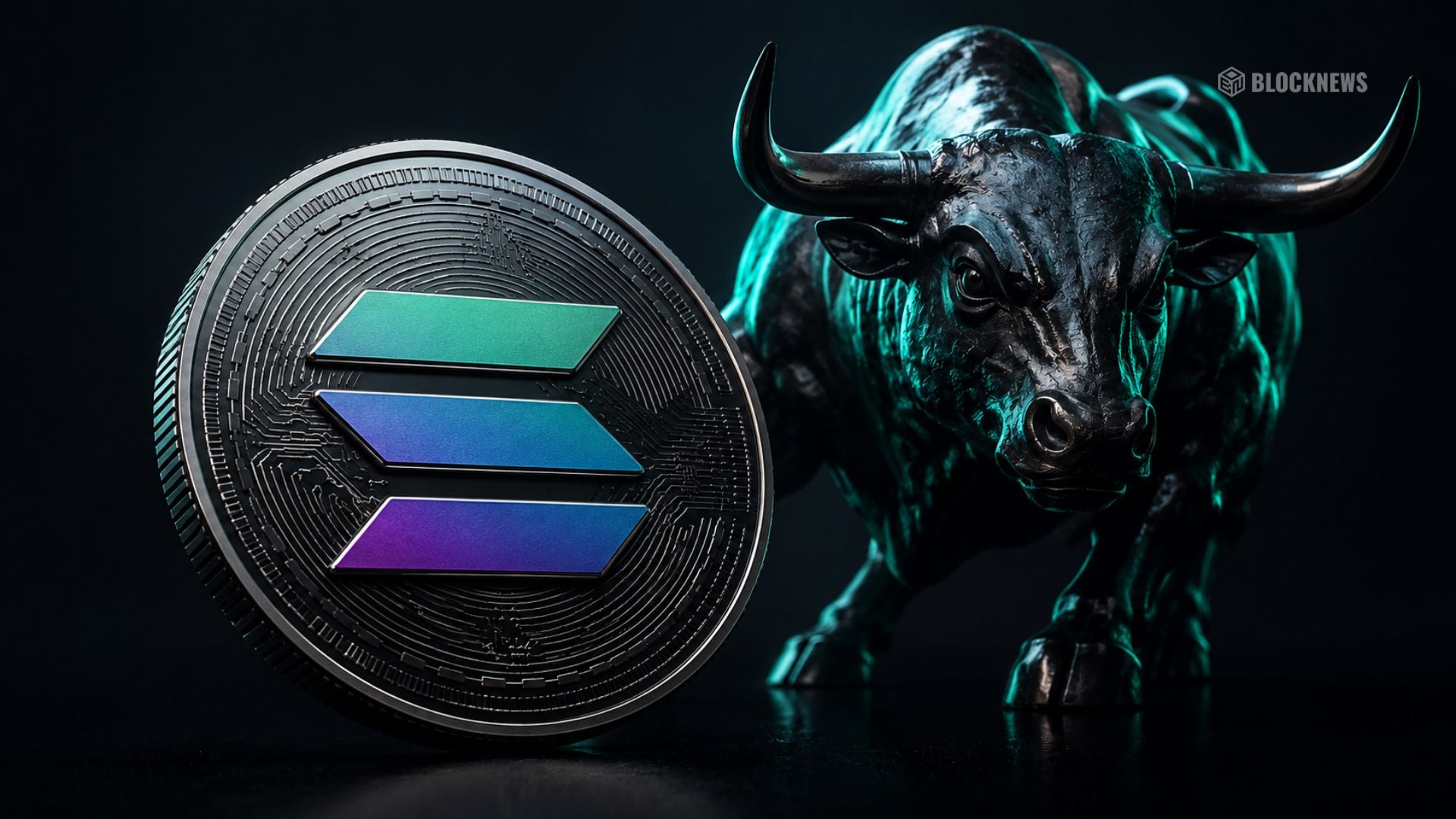
When the MOU was first announced, markets reacted with cautious optimism. Oil prices dipped on the prospect of Iranian crude flowing more freely through the Strait of Hormuz. Crypto asset valuations, meanwhile, surged as traders interpreted de-escalation as broadly risk-on.
The stalled talks inject fresh uncertainty into both markets. Oil traders are recalculating supply assumptions. Crypto markets, which had been riding the geopolitical tailwind, are contending with renewed volatility as the diplomatic picture darkens.
The Nobitex sanctions also highlight a more structural concern. If Iranian entities have been using cryptocurrency platforms to circumvent traditional financial restrictions, the US government’s willingness to target those platforms directly creates a chilling effect on any exchange or protocol that touches sanctioned jurisdictions.
What this means for investors
The 60-day negotiation window established by the Islamabad MOU is ticking. If Iran and the US can’t find their way back to the table before it expires, the diplomatic framework itself could collapse, removing the structural basis for the optimism that lifted markets in mid-June.
Sanctions enforcement against Nobitex may be the first in a series of actions targeting digital asset platforms in the region. The US Treasury has historically escalated enforcement in waves, and the political dynamics of the Trump administration suggest little appetite for leniency on Iran-related financial flows.
Until Tehran sees sanctions relief it considers meaningful, or Washington finds a way to address Iran’s preconditions without appearing to concede leverage, the technical talks remain on ice.
Disclosure: This article was edited by Editorial Team. For more information on how we create and review content, see our Editorial Policy.





 English (US) ·