
 2 months ago
38
2 months ago
38
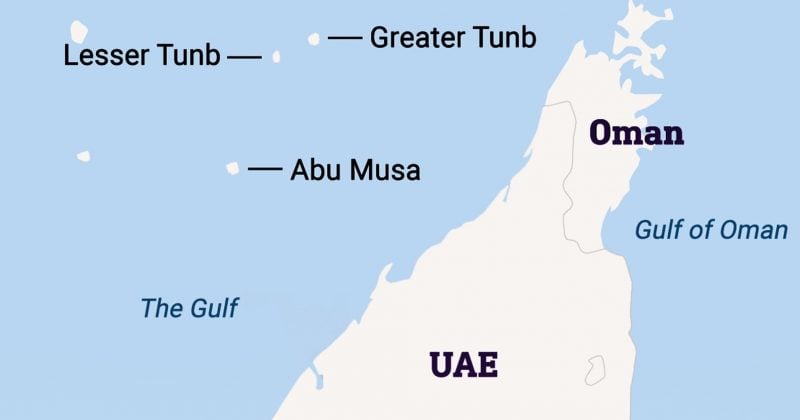
Iranian Speaker Qalibaf warned the US in Islamabad that Iran would fire on US minesweepers in the Strait of Hormuz if they moved, forcing a retreat. The ceasefire extension by April 21 now sits at 66.5% YES, down from 86% yesterday.
Market reaction
The US-Iran ceasefire extension market dropped 22 points in 24 hours, from 86% to 64% YES. The Strait of Hormuz handles roughly a fifth of global oil transit, and a direct military confrontation there would make any ceasefire extension politically difficult for both sides. The permanent peace deal market shows the same direction, sitting at 20% YES after falling from 40% yesterday.
Why it matters
The ceasefire extension odds lost a third of their value in a single day on one public threat. The ceasefire end by April 21 remains low at 20.5% YES, which means traders think tensions are rising but don’t expect an official end announcement soon. The gap between falling extension confidence and low formal-end probability points to a market pricing in limbo: no deal, but no declared breakdown either.
What to watch
Volume is $82,767 in USDC for the ceasefire extension market and $587,370 for the peace deal market. Order book depth is thin: it takes $9,463 and $9,449 respectively to move prices 5 points in each market, meaning a single large trade can shift odds meaningfully.
At 20¢, a YES share in the permanent peace deal market pays $1 if resolved by April 22, a 5x return. That payout requires a rapid diplomatic breakthrough while Iran is publicly threatening to fire on US naval assets.
Watch for Trump’s social media posts and CENTCOM statements on military posture or diplomatic signals. Shehbaz Sharif’s next move matters too, since Pakistan could mediate further talks.
Get prediction market intelligence as a structured API feed. Early access waitlist.




 English (US) ·