
 6 hours ago
22
6 hours ago
22
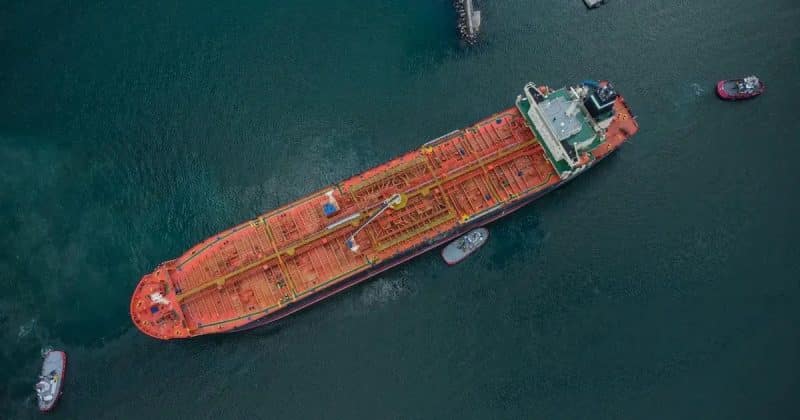
The Strait of Hormuz, the narrow chokepoint responsible for roughly 20% of the world’s oil and LNG shipments, is set to fully reopen to commercial vessels on Friday. Iran’s announcement caps months of restricted shipping access that rattled energy markets and sent ripple effects across every asset class, crypto included.
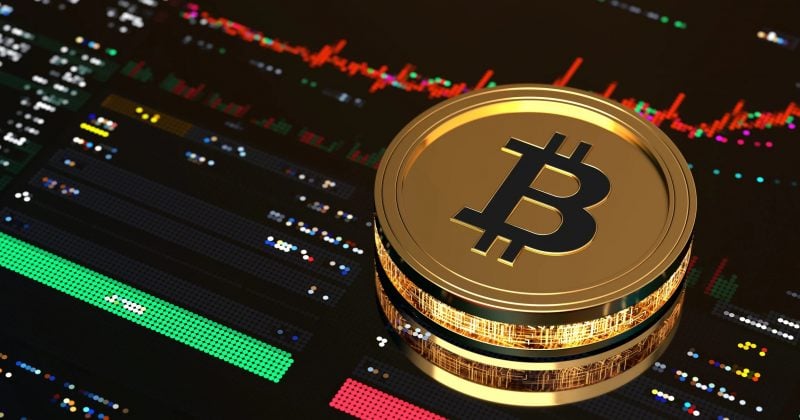
Bitcoin responded the way Bitcoin tends to respond when geopolitical risk dials down: it went up. BTC surged approximately 3.7% to around $66,326, its highest price in nearly two weeks, as traders priced in the possibility that one of 2026’s most disruptive conflicts might actually be winding down.
What’s in the deal
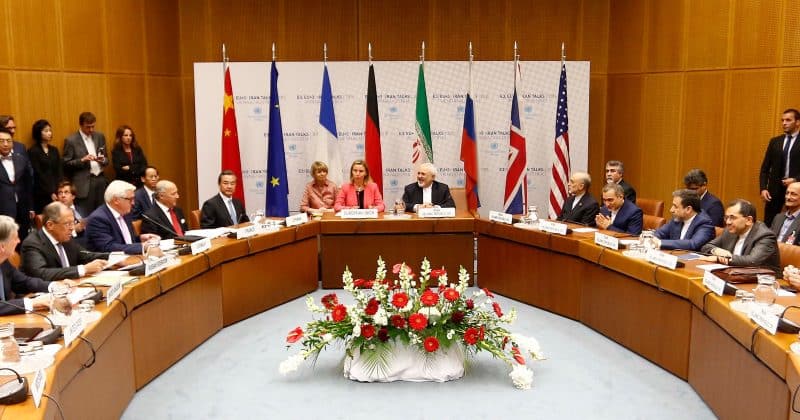
The reopening is tied to a broader US-Iran framework agreement that has been taking shape through mid-June 2026. A formal signing is expected on June 19-20 in Geneva, with Pakistan reportedly playing a mediation role in getting both sides to the table.
The interim deal is focused on ending hostilities related to the wider 2026 Middle East conflict. It notably punts on Iran’s nuclear program, deferring those conversations to a later stage.
Iran first began easing strait restrictions around April 17, 2026, when a 10-day ceasefire between Israel and Lebanon created enough breathing room for a partial reopening. But US blockades affecting Iranian ports and vessels kept full commercial traffic from resuming. The new framework deal aims to resolve those remaining obstacles.
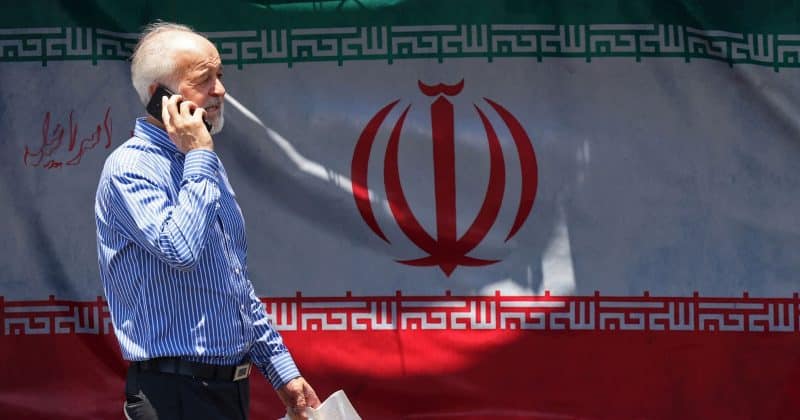
Here’s the wrinkle worth watching: Iran has proposed imposing “services rendered” fees on ships transiting the strait post-reopening, effectively adding a surcharge to global oil and LNG transport costs.
Why crypto cares about an oil shipping lane
The Strait of Hormuz has been a focal point of volatility throughout the 2026 conflict, particularly since Iran imposed shipping restrictions back in February 2026. When oil supply is threatened, inflation expectations rise, risk appetite falls, and speculative assets like crypto tend to suffer.
Coverage from crypto-focused outlets has drawn a direct line between the de-escalation and Bitcoin’s price movement.
The skeptics have a point
Not everyone is popping champagne. Some traders remain deeply skeptical about whether Friday’s reopening will actually happen on schedule, citing prior reversals by Iran on similar commitments. The April partial reopening came with its own set of caveats and delays.
Experts have cautioned that even if the strait fully reopens as planned, full normalization of oil flow and pricing could take months.
If Iran’s “services rendered” charges prove substantial enough to meaningfully increase shipping costs, some of the expected relief in energy prices could be offset.
Traders watching this space should pay close attention to two things: whether the Geneva signing actually occurs on the 19th or 20th, and what the fee structure for strait transit looks like in practice.
Disclosure: This article was edited by Editorial Team. For more information on how we create and review content, see our Editorial Policy.




 English (US) ·