
 2 weeks ago
32
2 weeks ago
32
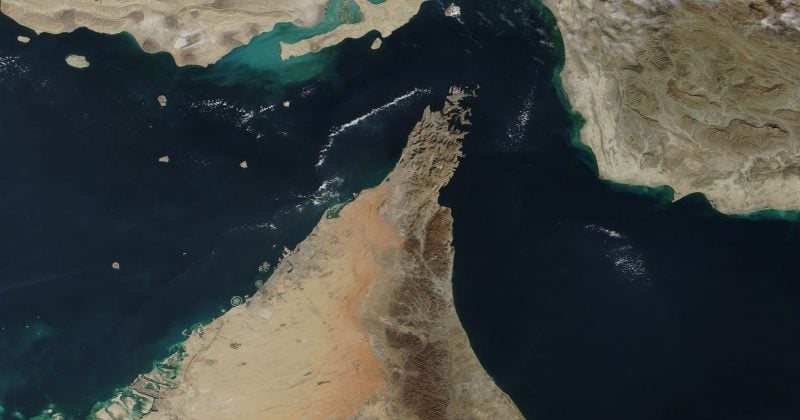
The escalating conflict between Iran and the United States over the Strait of Hormuz has seen a significant breakdown in communication, raising the specter of potential military action. This development is part of the broader 2026 Strait of Hormuz crisis, which has already involved active military exchanges following the U.S. and Israeli strikes that killed Iran’s Supreme Leader in February. The current situation involves both sides imposing rival blockades and rejecting a previously signed Memorandum of Understanding, making a diplomatic resolution increasingly unlikely. Market participants appear to view this as supportive of scenarios in which the United States might escalate its military involvement in the region.
The pricing in prediction markets reflects this heightened tension, with the likelihood of a U.S. invasion of Iran before 2027 currently priced at 14.5% YES, up from 12% just 24 hours ago. This increase suggests that market participants are more inclined to consider military action as a probable outcome, given the persistent breakdown in communication and the ongoing military confrontations. The substantial face value in this market underscores the heightened interest and concern over the potential outcomes of this geopolitical crisis.
Given the absence of effective diplomatic negotiations and the continuation of hostile engagements, the situation in the Strait of Hormuz remains highly volatile. The market’s outlook is consistent with scenarios where a lack of resolution could lead to further military escalation, as evidenced by the recent increase in the market’s perceived probability of U.S. military action.
Key Takeaways
- The breakdown in communication suggests increased tensions and a diminished likelihood of diplomatic compromise between Iran and the U.S.
- Market pricing reflects a heightened probability of U.S. military action in Iran, with current odds at 14.5% YES for an invasion before 2027.
- The active military exchanges and continued blockades in the Strait of Hormuz contribute to the escalation scenario, consistent with market sentiment.
What to Watch
Observers should monitor any developments in diplomatic negotiations or military activities in the Strait of Hormuz. Statements from key actors, such as U.S. President Donald Trump or Defense Secretary Pete Hegseth, could significantly influence market perceptions. Additionally, any changes in the military posture of the U.S. or Iran may indicate shifts towards either escalation or resolution, potentially impacting market pricing. The outcomes of ongoing military engagements and any new diplomatic initiatives will be crucial in determining the future direction of this conflict.
Get prediction market intelligence as a structured API feed. Early access waitlist.
Disclosure: This article was edited by Estefano Gomez. For more information on how we create and review content, see our Editorial Policy.




 English (US) ·