
 1 month ago
71
1 month ago
71
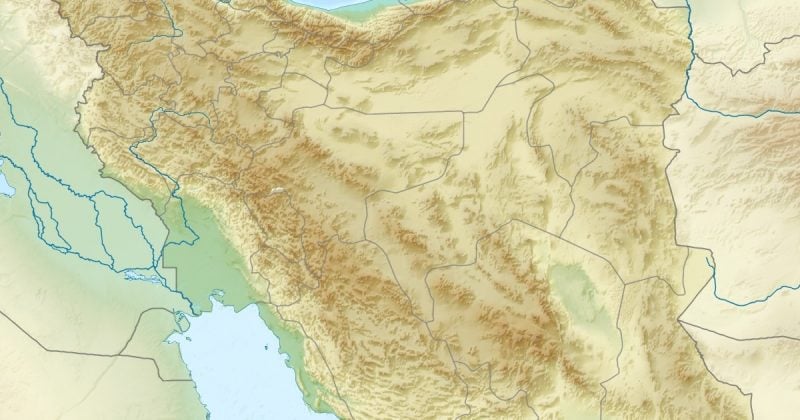
Iran’s parliament is preparing to pass legislation that would formally declare the country’s management and sovereignty over the Strait of Hormuz, the narrow waterway through which a significant chunk of the world’s oil supply flows every day.
An Iranian lawmaker confirmed that the bill is in its final stages of review. If passed, it would transform what has been a de facto blockade since late February 2026 into a codified legal framework, complete with toll collection, vessel restrictions, and a crypto-powered insurance platform.
What the bill actually does
The legislation consists of 12 articles and received approval from Iran’s National Security and Foreign Policy Commission back in April 2026. On May 13, the commission finalized a comprehensive management plan and sent it to the full parliament for review.
The bill lays out a practical framework for charging fees on vessels transiting the strait and restricting access for ships linked to countries Iran considers hostile, particularly those with ties to Israel.
The IRGC has reportedly already started collecting fees through intermediaries, charging roughly $1 per barrel of oil. Payments are accepted in Chinese yuan or stablecoins, sidestepping the traditional dollar-denominated systems that Western sanctions have made difficult for Iran to access.
The strait has been effectively blocked since February 28, 2026, and this legislation would give that blockade a legal veneer.
Bitcoin enters the shipping lane
Perhaps the most notable wrinkle for crypto markets is “Hormuz Safe,” a Bitcoin-based maritime insurance platform that Iran launched in mid-May 2026. The platform is designed to facilitate toll-related payments using Bitcoin, adding a layer of financial infrastructure to Iran’s strait management ambitions.
The combination of stablecoin toll payments and a Bitcoin insurance platform effectively creates a parallel financial system for one of global trade’s most critical chokepoints.
The diplomatic backdrop
Draft negotiations between the US and Iran took place from May 27 to 29, 2026, with proposals on the table to reopen shipping levels to pre-conflict volumes. The catch: the US would need to withdraw troops and cease naval blockade operations, while Iran would potentially oversee navigation alongside Oman.
What this means for investors
Iran accepting Bitcoin and stablecoins for strait transit fees could marginally increase demand for these assets in trade-finance contexts. But the volumes, at roughly $1 per barrel, are not going to move Bitcoin’s price on their own.
Oil markets are the more immediate concern. If the bill passes and Iran formalizes restrictions on vessels from countries it deems hostile, shipping costs and insurance premiums for strait transit will rise.
The US-Iran negotiations scheduled around the end of May represent the near-term catalyst to monitor. A deal that reopens the strait would likely ease oil prices and reduce the urgency of Iran’s crypto toll infrastructure. A breakdown in talks would do the opposite, potentially accelerating Iran’s push to entrench its control and the crypto payment systems that support it.
Disclosure: This article was edited by Editorial Team. For more information on how we create and review content, see our Editorial Policy.




 English (US) ·