
 1 hour ago
20
1 hour ago
20
https://en.wikipedia.org/wiki/Government_of_Masoud_Pezeshkian
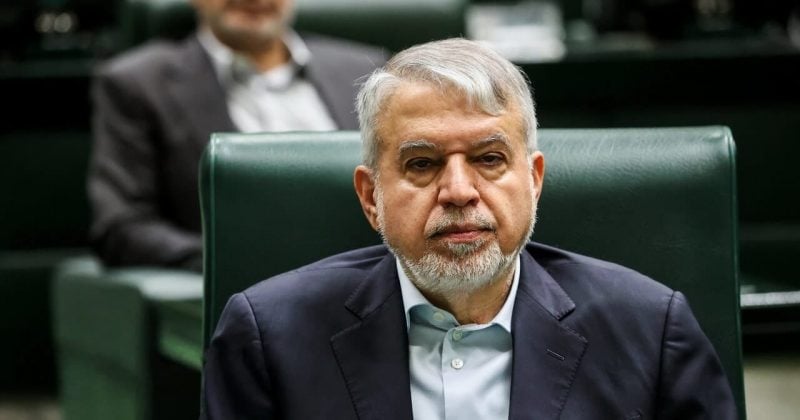
Iranian President Masoud Pezeshkian has reportedly informed Mojtaba Khamenei of his intention to resign if a critical agreement with the United States is rejected. The New York Times reports that Pezeshkian highlighted the detrimental effects of the naval blockade on Iran, emphasizing the importance of the agreement to alleviate economic strain. This development comes amid reports of internal power struggles, with Pezeshkian expressing dissatisfaction over the Islamic Revolutionary Guard Corps’ increasing control. The agreement, coordinated with Supreme Leader Ayatollah Ali Khamenei, aims to protect Iran’s national rights and could determine Pezeshkian’s political future.
Key Takeaways
- Market activity suggests that Pezeshkian’s potential resignation is increasingly likely, with current odds reflecting a slight decrease in the likelihood of his departure by December 31.
- Pezeshkian’s warning to Khamenei appears consistent with increasing internal tensions within Iran’s leadership, potentially impacting the broader geopolitical landscape.
- The naval blockade’s economic effects and the internal power dynamics may indicate growing instability, which could influence Pezeshkian’s political standing.
What to Watch
Observers should monitor any official statements from Ayatollah Ali Khamenei or Mojtaba Khamenei regarding the U.S. agreement, as these could impact the market’s perception of Pezeshkian’s future. Developments from the Islamic Revolutionary Guard Corps, particularly regarding military actions or policy decisions, may also provide insights into the likelihood of Pezeshkian’s resignation. Additionally, any shifts in international relations or sanctions could further influence the current political tensions in Iran.
Get prediction market intelligence as a structured API feed. Early access waitlist.







 English (US) ·