
 1 hour ago
17
1 hour ago
17
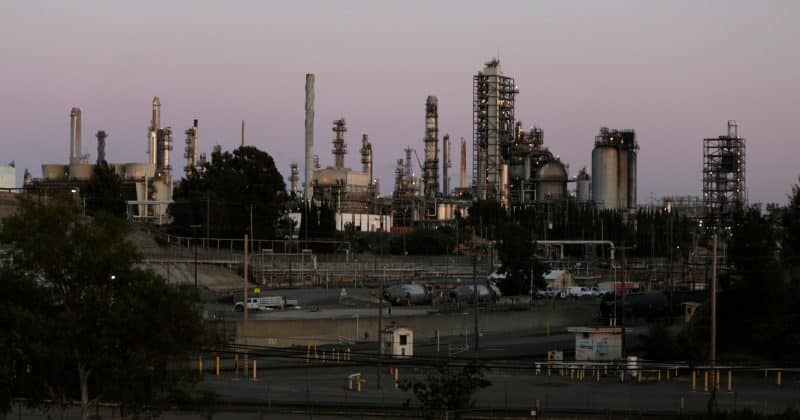
Iraq has ordered a halt to oil production at the West Qurna 2 oilfield, one of the country’s supergiant fields capable of pumping approximately 460,000 barrels per day. The shutdown stems from a pipeline leak compounded by broader export and storage constraints tied to the closure of the Strait of Hormuz amid escalating regional tensions.
A field already under pressure
West Qurna 2, located about 65 km northwest of Basra, began commercial production in 2014 and holds estimated reserves in the billions of barrels.
Russia’s Lukoil, which had operated the field under a technical service contract, declared force majeure in November 2025 after US sanctions made continued operations untenable. Payments were suspended, and by January 2026, operational control was handed over to Iraq’s state-owned Basra Oil Company.
An amicable settlement with Lukoil was approved in February 2026. Reports indicated that major Western firms, potentially including Chevron, could be involved in future arrangements at the field. Then came the March 3 production halt, which didn’t just affect West Qurna 2. Disruptions simultaneously hit the Rumaila field (approximately 700,000 bpd) and the Maysan fields (around 325,000 bpd), creating a cascading supply problem across Iraq’s southern oil infrastructure.
The Strait of Hormuz factor
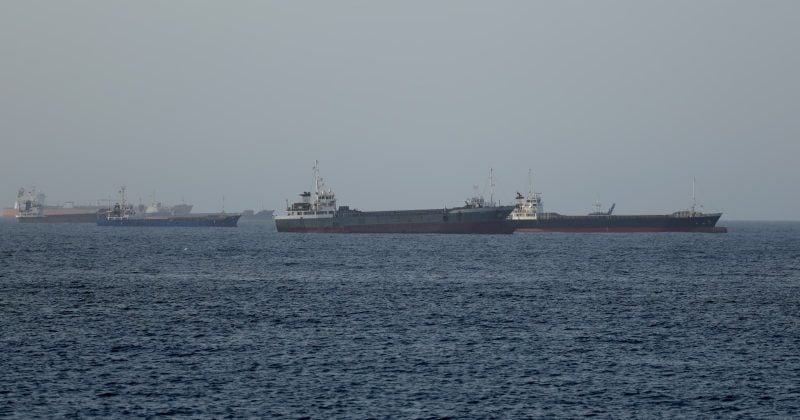
The pipeline leak at West Qurna 2 was the proximate cause, but the deeper issue is geography. Iraq’s southern oil exports flow through infrastructure that ultimately depends on access to the Strait of Hormuz, the narrow waterway between Iran and Oman through which roughly a fifth of global oil passes on any given day.
By mid-June 2026, a reported US-Iran deal led to the reopening of the Strait of Hormuz. On June 20, Basra Oil Company instructed operators at West Qurna 2 to begin ramping production back toward pre-disruption levels.
What this means for energy markets and investors
Iraq is OPEC’s second-largest producer, and its output capacity is concentrated in a small number of supergiant fields in the south, all of which route through infrastructure exposed to Persian Gulf chokepoints.
The transition from Lukoil to Basra Oil Company also raises longer-term questions about Iraq’s ability to maintain production levels without experienced foreign operators. Lukoil had spent years and billions of dollars developing West Qurna 2’s infrastructure.
Disclosure: This article was edited by Editorial Team. For more information on how we create and review content, see our Editorial Policy.




 English (US) ·