
 1 hour ago
24
1 hour ago
24
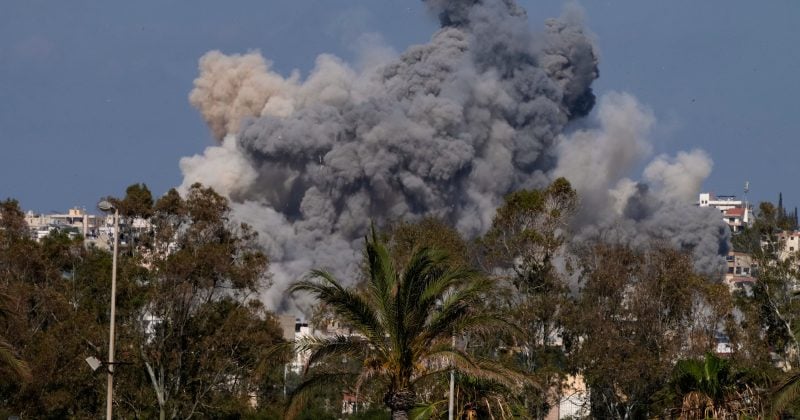
An IRGC-affiliated Telegram channel is claiming a large-scale missile and drone assault on US military bases across Persian Gulf nations, including the US Navy’s Fifth Fleet headquarters in Bahrain and Ali Al Salem Air Base in Kuwait. The US military has disputed the scope of the claims, particularly regarding casualty figures.
The reports, which have not been independently verified, allege strikes on approximately 85 US installations in a single operation.
What’s actually being claimed
The IRGC-linked channel frames the strikes as retaliatory, connected to the broader conflict that escalated following US-Israeli military actions in late February 2026. Specific targets named include the Fifth Fleet’s Bahrain headquarters, a nerve center for American naval operations across the Persian Gulf, Red Sea, and parts of the Indian Ocean.
Ali Al Salem Air Base in Kuwait, a key logistics and air operations hub, is also cited as a target. US military sources have pushed back on claims about the scale of damage and American casualties.
The crypto angle: Hormuz tolls and market volatility
Reports suggest the IRGC has been demanding cryptocurrency payments for safe passage through the Strait of Hormuz. Roughly 20% of global oil trade passes through it.
The use of Bitcoin and other digital assets by sanctioned entities is not new. Iranian entities have used crypto to circumvent sanctions infrastructure for years, a pattern documented by the US Treasury and other regulatory bodies.
Bitcoin and other digital assets have shown sensitivity to the current tension cycle. Early conflict escalation tends to trigger a short, sharp risk-off move as leveraged positions get unwound.
What investors should watch
On the regulatory side, any confirmed large-scale use of crypto for IRGC operational financing, including passage fees through contested waterways, would hand Western regulators fresh ammunition for tightening on-chain compliance requirements.
Disclosure: This article was edited by Editorial Team. For more information on how we create and review content, see our Editorial Policy.








 English (US) ·