
 1 hour ago
26
1 hour ago
26
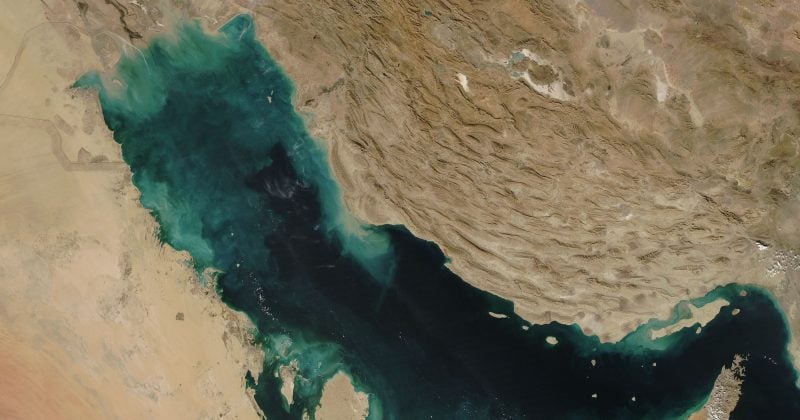
Iran’s Islamic Revolutionary Guard Corps fired missiles at commercial cargo ships transiting the Strait of Hormuz in early July 2026, hitting at least three vessels and causing heavy damage. No casualties have been reported, but the attacks represent a dramatic escalation in a crisis that has been simmering since February and now threatens to disrupt the narrow waterway through which roughly 20% of the world’s oil supply flows.
For crypto markets, here’s the thing: this isn’t just a shipping story. Iran has been collecting transit payments from merchant vessels in Bitcoin and USDT, reportedly up to $2 million per ship, turning the world’s most important oil chokepoint into a toll road paid in digital assets.
What happened in the strait
The latest round of strikes occurred around July 6-7, 2026, when the IRGC targeted at least three commercial vessels with missiles. UK Maritime Trade Operations and US officials confirmed that ships suffered fires and significant structural damage, though crews appear to have escaped injury.
Around June 25, the Singapore-flagged cargo ship Ever Lovely was struck by an IRGC missile, sustaining severe damage.
The crisis traces back to February 28, 2026, when the IRGC Navy began aggressive interactions with merchant shipping in the strait. The IRGC’s actions came after a June 2026 memorandum between the US and Iran. US military strikes on Iranian targets have followed.
The crypto connection: Bitcoin as a toll booth
Earlier in 2026, reports indicated that Iran had begun demanding transit payments from merchant ships in cryptocurrencies, specifically Bitcoin and USDT. The reported price tag: up to $2 million per vessel. Iran effectively set up a crypto-denominated toll system in international waters, using the threat of military force as the collection mechanism.
The strategy serves a clear purpose. Iran has spent years under heavy US and international financial sanctions that make traditional banking channels largely inaccessible. Crypto, particularly stablecoins like USDT, offers a workaround.
For Tether specifically, which issues USDT, the optics are challenging. The company has previously cooperated with law enforcement to freeze wallets linked to sanctioned entities, but the scale and sophistication of state-level evasion makes whack-a-mole enforcement difficult.
Market implications: oil, risk assets, and the crypto ripple effect
The Strait of Hormuz handles approximately one-fifth of global petroleum supply. The 2019 tanker attacks in the same waterway caused Brent crude to spike roughly 15% in a single session, for context.
For crypto investors specifically, the variables to watch are threefold. First, whether the US retaliates against Iranian missile and drone sites, which would escalate the conflict and amplify risk-off dynamics. Second, whether regulators use Iran’s crypto toll system as justification for new stablecoin restrictions. Third, whether oil price spikes are sustained enough to shift inflation expectations and delay any anticipated monetary easing.
Disclosure: This article was edited by Editorial Team. For more information on how we create and review content, see our Editorial Policy.








 English (US) ·