
 1 month ago
42
1 month ago
42
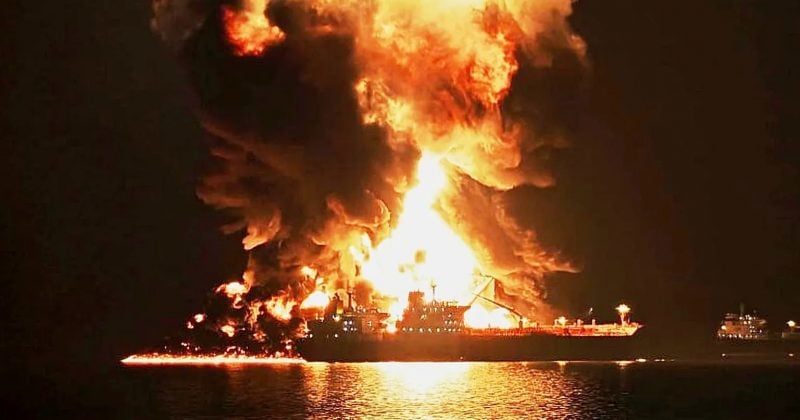
The Islamic Revolutionary Guard Corps Navy confirmed it struck two oil tankers attempting to transit the Strait of Hormuz, marking one of the most direct and aggressive actions in a crisis that has been building since March 2026.
Here’s the thing about the Strait of Hormuz: roughly 20% of the world’s oil shipments pass through it. It is about 21 miles wide at its tightest point.
A pattern of escalation
The IRGC Navy has been ratcheting up its interventions throughout 2026, starting with turning back vessels in March and gradually escalating to drone strikes and outright seizures. Among the most notable prior incidents: a US-flagged tanker was turned back in May 2026, and the vessel Prima was targeted with drone strikes.
The market impact has been exactly what you’d expect when someone threatens the jugular vein of global energy supply. Brent crude has surpassed $100 per barrel during the crisis, reaching peaks near $126.
Iran’s crypto gambit at the chokepoint
Since mid-March 2026, Iran has proposed crypto-based transit tolls for vessels passing through the Strait, with charges reportedly estimated at up to $2 million per vessel.
Beyond the toll system, there are proposals for a Bitcoin-settled maritime insurance platform called “Hormuz Safe,” reportedly linked to Iranian entities. The platform would ostensibly manage and facilitate oil transport through the contested waterway.
What this means for investors
The correlation between Strait of Hormuz military activity and crypto market volatility has already been demonstrated. Bitcoin dropped below $80K in late May 2026 amid news of US strikes near the Strait, before recovering.
If Iran successfully collects meaningful revenue through crypto-denominated tolls, it creates a template that other sanctioned or semi-sanctioned nations will study closely. Expect renewed pressure from Western governments to tighten controls on cryptocurrency flows, particularly around mixers, privacy coins, and decentralized exchanges that could facilitate sanctions circumvention.
Disclosure: This article was edited by Editorial Team. For more information on how we create and review content, see our Editorial Policy.




 English (US) ·