
 1 hour ago
18
1 hour ago
18
Two African players just did something no one from the continent has managed in nearly a century of World Cup football. Ismaïla Sarr of Senegal and Ismael Saibari of Morocco each found the net in three consecutive matches at the 2026 FIFA World Cup, a feat that had eluded every African player before them.
The milestone landed during the group stage in June 2026, turning what could have been routine tournament openers into history-making performances.
How they got there
Saibari’s run was a masterclass in consistency. The PSV Eindhoven midfielder scored in each of Morocco’s three group-stage matches against Brazil, Scotland, and Haiti.
Sarr, meanwhile, didn’t just match the record for consecutive scoring games. He went further. The Senegalese forward tallied four goals across Senegal’s group stage, tying Roger Milla’s single-tournament record for an African player that had stood since the 1990 World Cup in Italy. That’s 36 years of history leveled in a matter of weeks.
Sarr arrived at the 2026 edition with prior World Cup experience, having scored at the 2022 tournament in Qatar.
What this means for African football
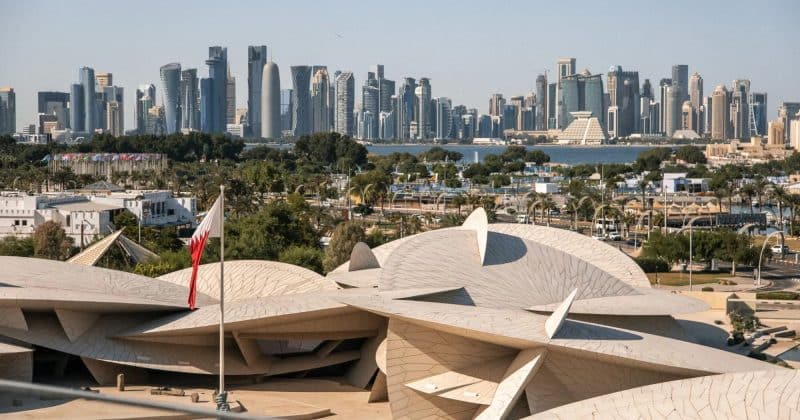
Morocco’s run to the semifinals at the 2022 World Cup in Qatar was already a watershed moment. Now, with Saibari scoring against a team like Brazil in the group stage, it’s clear that performance wasn’t a one-off.
Senegal won the Africa Cup of Nations in 2022 for the first time in its history and has been a consistent presence at recent World Cups. Sarr’s four-goal haul in 2026 is the sharpest evidence yet that Senegal can produce the kind of individual firepower needed to go deep in a tournament.
The records in context
To appreciate what Sarr and Saibari accomplished, consider the players who didn’t manage it. Eto’o, arguably the greatest African striker of all time, never scored in three consecutive World Cup matches. Neither did Asamoah Gyan, Africa’s all-time leading World Cup scorer before this tournament cycle.
Sarr’s four-goal total in a single tournament deserves its own context. Matching Roger Milla’s 1990 mark puts him alongside a player who was 38 years old when he set that record. Sarr did it in his prime.
Saibari’s trajectory is equally worth watching. As a PSV Eindhoven player, he competes weekly in the Eredivisie and European competition. Translating that club form into three consecutive World Cup goals suggests his baseline level is high enough to produce in the most pressurized setting imaginable.
Disclosure: This article was edited by Editorial Team. For more information on how we create and review content, see our Editorial Policy.



 English (US) ·