
 1 hour ago
15
1 hour ago
15
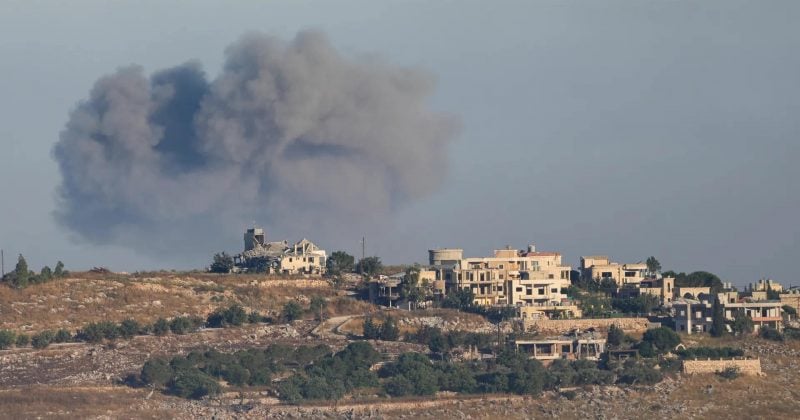
Israel has announced the lifting of all war-related restrictions on its northern border areas, effective from June 22, 2026. This decision follows a security assessment by Israel’s Home Front Command, indicating a perceived reduction in immediate threats from the region. The move is viewed as a potential step towards de-escalation in the ongoing Israel–Hezbollah conflict, although the situation remains tense as the ceasefire process is still fragile. This development may impact market perceptions about the likelihood of airspace closures in the coming weeks.
Key Takeaways
- The lifting of restrictions suggests a reduced threat level, which appears consistent with a scenario where airspace closures are less likely.
- Markets have responded with decreased implied probabilities of an Israeli airspace closure by June 30, reflecting perceived de-escalation.
- The broader geopolitical situation, including the ceasefire’s stability, remains a significant factor in future market movements.
What to Watch
Monitor statements and actions from key Israeli officials, including the Minister of Transport and the IDF, for indications of any renewed threats that could alter the current security assessment. Developments in the Israel–Hezbollah ceasefire process will be crucial, as any breakdown could lead to heightened tensions and influence airspace closure probabilities. Additionally, watch for any official NOTAMs or advisories from international aviation authorities that could indicate changes in the regional security landscape.
Get prediction market intelligence as a structured API feed. Early access waitlist.
Disclosure: This article was edited by Estefano Gomez. For more information on how we create and review content, see our Editorial Policy.








 English (US) ·