
 2 hours ago
21
2 hours ago
21
Japan is weighing a significant military move: deploying its Maritime Self-Defense Force minesweepers to the Strait of Hormuz, one of the most critical chokepoints for global energy supplies. The consideration follows a memorandum of understanding signed between the US and Iran on June 17, extending a ceasefire that has been in various stages of negotiation since tensions escalated in late February 2026.
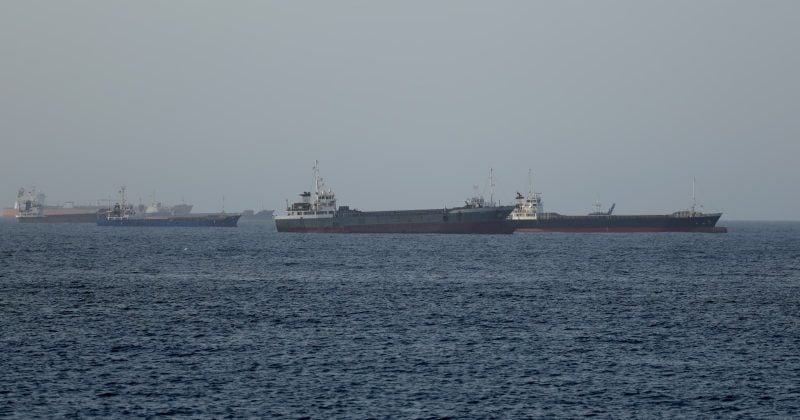
The deployment could involve up to 16 MSDF minesweepers and escort vessels, tasked with clearing naval mines reportedly laid by Iran’s Islamic Revolutionary Guard Corps during the conflict.
What happened and why it matters
The Strait of Hormuz handles roughly a fifth of the world’s daily oil supply. When Iran reportedly laid additional mines around the strait on or around April 23, 2026, global markets shuddered. Oil prices spiked. And Bitcoin, as it increasingly does during geopolitical stress events, moved sharply higher.
Bitcoin surged above $72,000 in April 2026 as risk sentiment improved following the initial ceasefire.
The decision isn’t final, though. Japanese law restricts MSDF operations to post-conflict mine removal, meaning Tokyo needs to be confident the ceasefire will hold before committing vessels.
The crypto angle runs deeper than price action
During the blockade period, Iran reportedly experimented with using Bitcoin and stablecoins as payment mechanisms, either as tolls for maritime transit or as a form of insurance for shipping through contested waters.
Iran has been under various forms of international sanctions for decades, and the country has consistently sought alternative financial rails that bypass the traditional banking system. The scale and specificity of using crypto for maritime commerce represents something new: it’s one thing to mine Bitcoin to generate revenue under sanctions, it’s another to build transactional infrastructure around it for real-world logistics.
What investors should be watching
There’s a notable footnote in the military logistics story. The US Navy plans to retire its last dedicated minesweepers by 2027. Japan’s fleet of 16 potential deployable minesweepers represents one of the largest such capabilities among US allies.
For crypto-focused investors, the key variable to monitor is whether Iran’s experiment with crypto-based maritime payments survives the transition from wartime necessity to peacetime commerce. Sanctions relief, if it ever comes as part of a broader diplomatic settlement, could either accelerate crypto adoption by legitimizing the infrastructure Iran has built, or make it unnecessary by reopening traditional banking channels.
The ceasefire MoU from June 17 is part of ongoing diplomatic efforts, not a final peace agreement.
Disclosure: This article was edited by Editorial Team. For more information on how we create and review content, see our Editorial Policy.







 English (US) ·