
 1 hour ago
15
1 hour ago
15
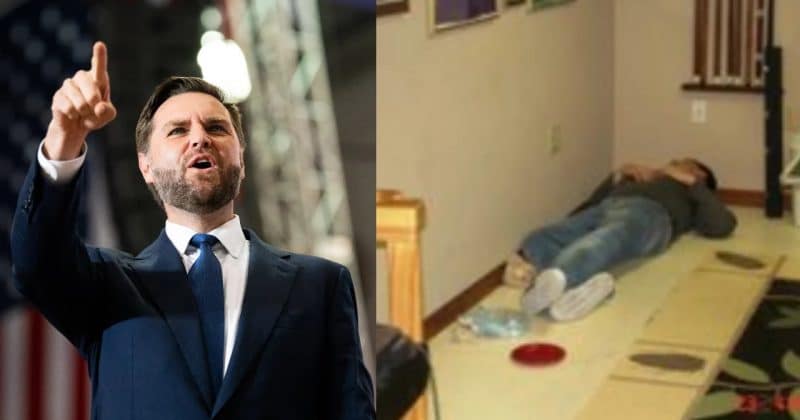
Vice President JD Vance confirmed Thursday that the 60-day negotiation period between the United States and Iran has officially begun.
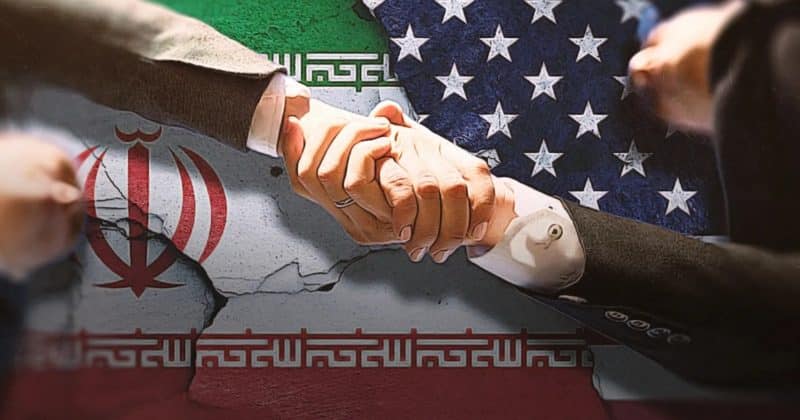
The Memorandum of Understanding, signed digitally on June 15 by Vance and Iranian Parliament Speaker Mohammad Bagher Ghalibaf, with President Donald Trump acting as a witness, sets the framework for talks covering Iran’s nuclear program, the return of international inspectors, and a potential pathway to sanctions relief.
What the MoU actually covers
The document itself is roughly 1.5 pages long and has been described as “very general.”
Negotiations will center on Iran’s stockpile of highly enriched uranium, the reinstatement of International Atomic Energy Agency inspectors, an extension of the existing ceasefire, and the reopening of the Strait of Hormuz to shipping traffic. Roughly one-fifth of global oil passes through that narrow waterway.
Up to $24 billion could be on the table in sanctions relief if Iran meets compliance benchmarks. Vance has emphasized that any benefits flowing to Tehran would be strictly conditional on fulfilling its obligations.
A formal signing ceremony is scheduled in Geneva, expected around June 18. The full text of the MoU is slated for public release by the following Friday.
How we got here
This diplomatic opening follows a period of sharp escalation that began with US and Israeli military strikes against Iran reported at the end of February 2026. Previous rounds of negotiations earlier this year, including talks held in Islamabad in April, went nowhere and failed to produce any lasting agreements.
The choice of signatories is also worth noting. Having the Iranian Parliament Speaker rather than a member of the executive branch sign the MoU reflects the complex internal politics Tehran is navigating. Trump’s role as a witness rather than a primary signatory gives the administration some political flexibility.
What this means for crypto and risk markets
During previous rounds of US-Iran negotiations earlier in 2026, Bitcoin, Ethereum, and XRP all saw price declines in the range of 1.5-2% as uncertainty spiked.
Reopening the Strait of Hormuz alone would relieve pressure on global energy prices. The $24 billion sanctions relief figure, if it survives the negotiation process intact, would represent a significant injection of capital into Iran’s economy, with downstream effects on regional trade flows and energy markets.
Disclosure: This article was edited by Editorial Team. For more information on how we create and review content, see our Editorial Policy.




 English (US) ·