
 1 hour ago
21
1 hour ago
21
US Vice President JD Vance departed Washington to join negotiations with Iran in Switzerland, a high-stakes diplomatic move touching on nuclear issues, a Lebanon ceasefire, and the reopening of one of the world’s most critical oil shipping routes.
The trip, which has already faced delays attributed to logistical complications and regional tensions, comes on the heels of a preliminary 14-point memorandum of understanding signed on June 17. That MoU establishes a 60-day window for more comprehensive negotiations over Iran’s nuclear ambitions, including the thorny question of uranium enrichment limits.
A deal framework, not a deal
The document was signed electronically by President Trump and his Iranian counterparts. It covers not just nuclear concerns but also the reopening of the Strait of Hormuz to pre-war oil traffic levels, a detail that has energy traders paying very close attention.
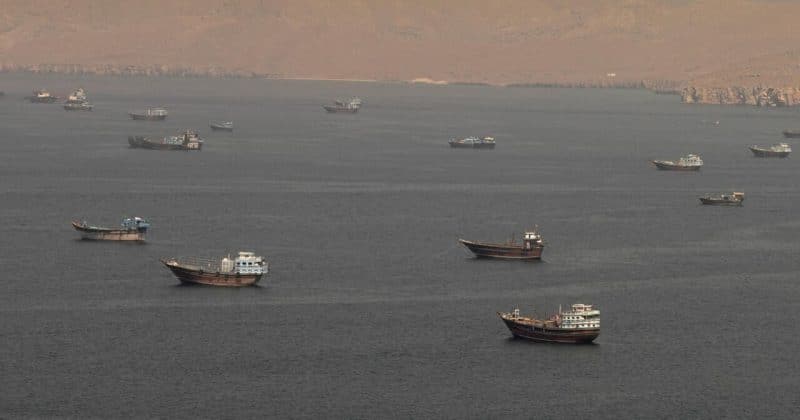
The Strait of Hormuz is the narrow waterway between Iran and the Arabian Peninsula through which roughly a fifth of the world’s oil supply passes on any given day.
A ceasefire in Lebanon was agreed upon on June 19, adding another layer of urgency to the broader diplomatic effort. That agreement came amid escalating conflict, with Israel conducting strikes during the diplomatic exchanges, a move that complicated proceedings considerably.
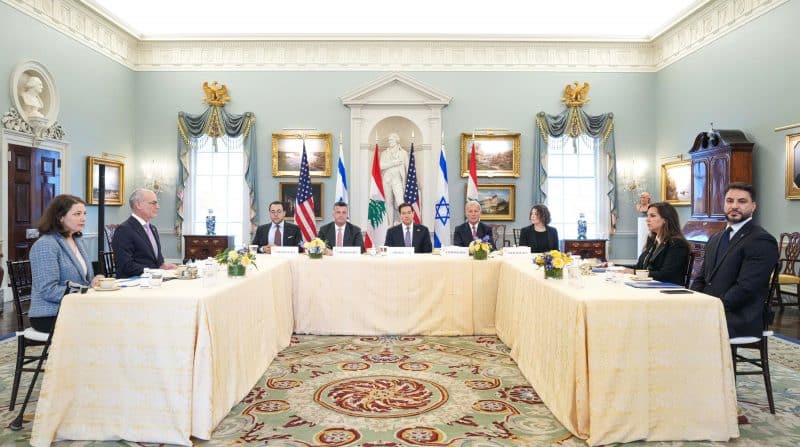
Vance’s trip was originally planned for June 18-19 but was pushed back. In the interim, special envoy Steve Witkoff has been leading the initial technical sessions at venues including Bürgenstock and Obbürgen in Switzerland. Vance has indicated he may participate in future rounds alongside Jared Kushner, signaling the White House views these talks as a top-tier priority.
The long road to Switzerland
Prior rounds of talks between the US and Iran took place in Oman, Geneva, and Islamabad stretching from 2025 into 2026. Each round chipped away at certain procedural barriers while leaving the core disputes, particularly around uranium enrichment, largely unresolved.
The Lebanon ceasefire component adds a regional dimension that previous rounds lacked. Israel’s military operations against Hezbollah have been a persistent complication, and the fact that strikes continued even as diplomats were exchanging proposals underscores how fragile the entire framework remains.
Witkoff’s role as the lead negotiator in Vance’s absence is notable. The special envoy has been managing the technical groundwork, which suggests the administration is treating the vice president’s eventual arrival as a capstone moment rather than a working-level engagement.
What this means for investors
The most immediate market impact runs through energy. Any credible progress toward reopening the Strait of Hormuz to normal traffic levels would put downward pressure on oil prices, which have been elevated by supply uncertainty tied to the US-Iran standoff. Conversely, a breakdown in talks, or another round of Israeli strikes that derails the process, could send crude spiking.
The 60-day negotiation window creates a defined period of uncertainty. Traders should expect headline-driven volatility around any leaked updates or official statements from either side during that window.
Disclosure: This article was edited by Editorial Team. For more information on how we create and review content, see our Editorial Policy.






 English (US) ·