
 1 hour ago
21
1 hour ago
21
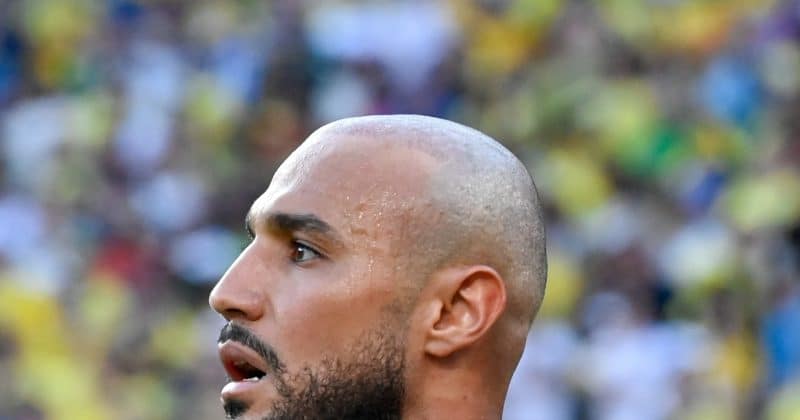
A 20-year-old attacking midfielder just became the most talked-about name in two very different markets simultaneously. Johan Manzambi’s electric 2026 FIFA World Cup campaign has Newcastle United reportedly preparing a £42 million bid, while his NFT player cards on Sorare, the Ethereum-based fantasy sports platform, have seen trading volumes and prices spike in real time.
Three goals and two assists across Switzerland’s World Cup run made Manzambi the youngest player in over 60 years to rack up five goal contributions in a single tournament. That stat alone would make headlines. The fact that it’s also moving money on-chain makes it worth paying attention to from a crypto perspective.
From pitch to blockchain in real time
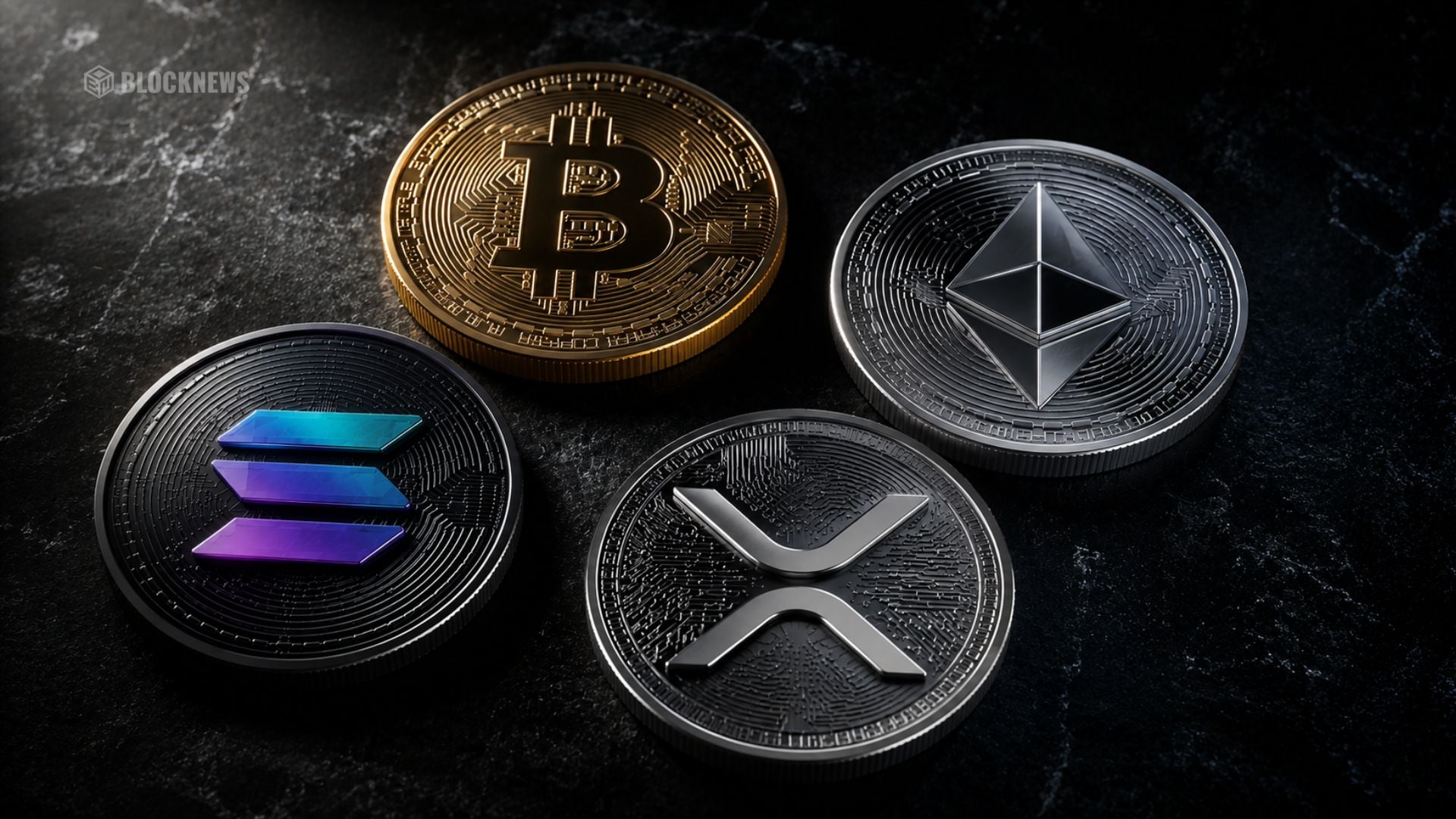
Sorare is a fantasy football platform built on Ethereum where players buy, sell, and trade officially licensed digital cards of real footballers. Think of it as fantasy sports meets collectible card trading, except the cards are NFTs and their value fluctuates based on real-world performance.
His NFT card prices and trading volume on Sorare surged significantly following his standout performances, particularly after matches against Bosnia and Herzegovina and Canada. The mechanism is straightforward. Better real-world stats mean higher fantasy scores, which mean more demand for the card, which means higher prices. Supply stays fixed because each card tier has limited editions.
The £42 million question
Newcastle United is reportedly in advanced discussions with SC Freiburg over a transfer valued at approximately £42 million. If completed, it would represent a significant investment in a player who, just weeks ago, was largely unknown outside of Bundesliga circles.
For Freiburg, the math is relatively simple. A £42 million fee for a player they developed would represent a massive return on investment. For Newcastle, it’s a bet that Manzambi’s World Cup form translates to the Premier League’s intensity. The underlying talent, three goals and two assists against World Cup-caliber opponents, is hard to argue with.
What this means for the sports NFT market
Manzambi’s case illustrates a maturing dynamic in the sports NFT market where real-world performance data creates immediate, measurable impacts on digital asset prices. Athlete does well, NFT goes up. Athlete gets injured or benched, NFT goes down. It’s a market that behaves less like speculative crypto trading and more like a derivatives market tied to human athletic output.
Sorare has carved out a defensible niche precisely because its value proposition doesn’t rely on hype cycles or meme culture. The cards have utility within the fantasy game, and their prices are anchored to something tangible: how well a footballer performs in actual matches.
The risk is concentration. If Manzambi picks up an injury during preseason, or if his Premier League debut goes sideways, traders holding his cards at inflated post-World Cup prices could see significant drawdowns. The same real-world performance link that drives prices up works just as efficiently in reverse.
Disclosure: This article was edited by Editorial Team. For more information on how we create and review content, see our Editorial Policy.





 English (US) ·