
 2 weeks ago
40
2 weeks ago
40
Kuwait’s military is officially in active defense mode. On June 2, 2026, the Kuwaiti Army reported intercepting seven ballistic missiles in a single engagement, part of a broader wave of drone and missile attacks attributed to Iran’s Islamic Revolutionary Guard Corps targeting Kuwaiti and US assets in the region.
The Kuwaiti Army’s General Staff pushed public advisories through state news agency KUNA, urging civilians to follow safety protocols and stay alert for debris falling from intercepted projectiles. Debris from interceptions has fallen in residential zones, which is why the Kuwaiti government is not treating this as a background military matter.
What’s actually happening in the Gulf
Kuwait’s air defense network has been running hot since February 2026, when Iranian threats against Gulf states and US military assets began escalating into live fire. The IRGC has been the attributed source of the attacks, which have targeted both Kuwaiti infrastructure and American interests operating in the region. Some incidents reportedly involved dozens of projectiles detected in a single wave, making June 2 part of a sustained campaign rather than an isolated provocation.
Why crypto traders are watching the Gulf
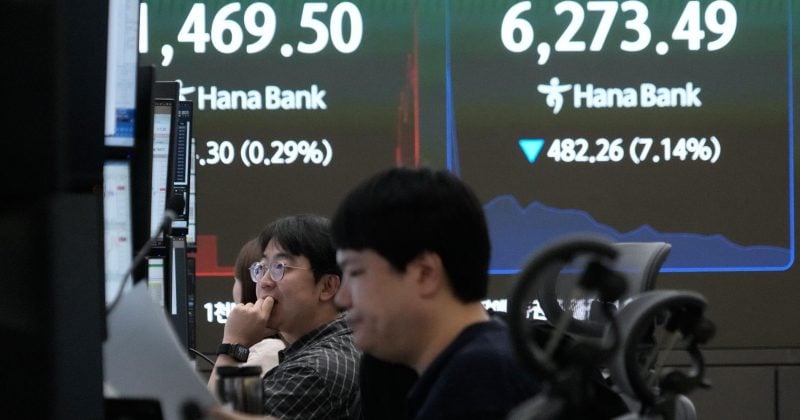
During a May 2026 escalation in the same regional conflict, Bitcoin dropped below $73,000. Liquidations tied to that move totaled $1 billion as traders caught on the wrong side of leveraged positions got wiped out in a compressed timeframe.
The June 2 interception event did not produce an immediate, documented move in crypto markets. But the pattern established over the prior months is clear: major escalation events in the Iran conflict have corresponded with Bitcoin price drops and significant liquidation cascades.
What investors should be watching
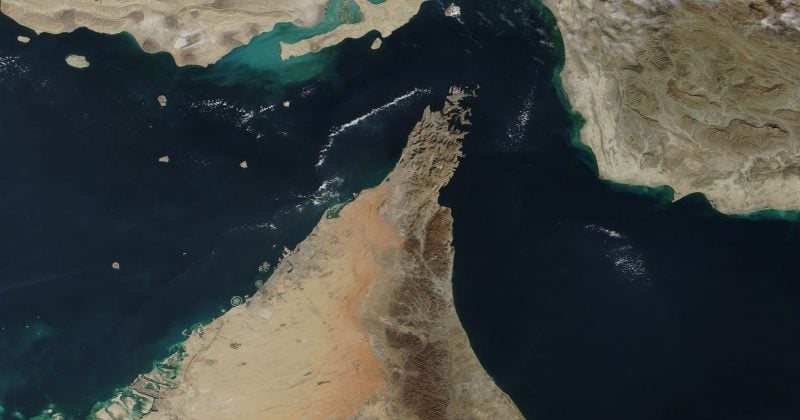
Kuwait sits at the northern tip of the Persian Gulf, sharing a border with Iraq and positioned within range of Iranian ballistic missile systems. Its air defense network being actively engaged is a materially different signal than proxy skirmishes further from core Gulf infrastructure.
For crypto specifically, traders running leveraged long positions on Bitcoin or other major assets should be pricing in the possibility of additional sharp drawdowns if the conflict escalates further. The May liquidation event, totaling $1 billion, demonstrated how quickly an adverse geopolitical headline can cascade through a market where leverage is common and stop-loss clusters are tight.
Disclosure: This article was edited by Editorial Team. For more information on how we create and review content, see our Editorial Policy.




 English (US) ·