
 1 hour ago
20
1 hour ago
20
Kuwait’s General Command of the Armed Forces announced that air defenses are actively intercepting missile and drone attacks over the country, marking a significant escalation in Gulf region hostilities.
The military urged the public to follow safety instructions as interceptions continued.
What happened over Kuwait
The attacks unfolded over June 1-2, 2026, with Kuwaiti air defenses engaging multiple incoming threats. Seven ballistic missiles were reportedly intercepted during the engagements.
The hostile fire has been linked to Iranian ballistic missile and drone activity directed at both US and Kuwaiti targets in the region. US Central Command confirmed that its forces successfully downed Iranian projectiles, with no personnel injuries reported in the initial stages of the incursions.
Debris from downed projectiles caused minor injuries in residential areas of Kuwait.
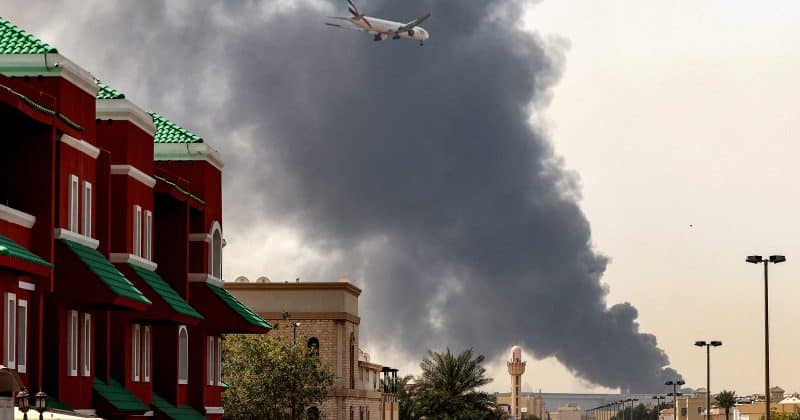
A separate incident involved drone strikes at Kuwait International Airport, resulting in injuries to individuals and damage to buildings at the facility.
Bahrain activated its own air defenses amid the same wave of regional incidents.
The regional context
Kuwait hosts significant US military infrastructure, making it both a strategic asset and a potential target in any confrontation between Washington and Tehran.
The involvement of Kuwait International Airport, a major civilian hub, adds another dimension. Airports are critical infrastructure, and any sustained threat to commercial aviation could have cascading effects on the country’s economy and its role as a regional transit point.
What this means for investors
No exchanges were hit, no blockchain infrastructure was compromised, and no crypto-specific entities have been implicated in or affected by the military action.
Oil markets will react first and most violently to any prolonged disruption in the Gulf. Energy price shocks feed into inflation expectations, which feed into central bank policy decisions, which feed into risk asset pricing.
Kuwait and Bahrain are both home to significant banking and financial services sectors. Any sustained military activity that threatens those systems could create liquidity ripple effects that extend well beyond the region.
Risk aversion tends to hit speculative assets hardest and fastest. Crypto’s 24/7 trading means it will price in geopolitical developments before traditional markets open, making it both an early indicator and a vulnerable target during periods of acute uncertainty.
Disclosure: This article was edited by Editorial Team. For more information on how we create and review content, see our Editorial Policy.






 English (US) ·