
 1 hour ago
14
1 hour ago
14
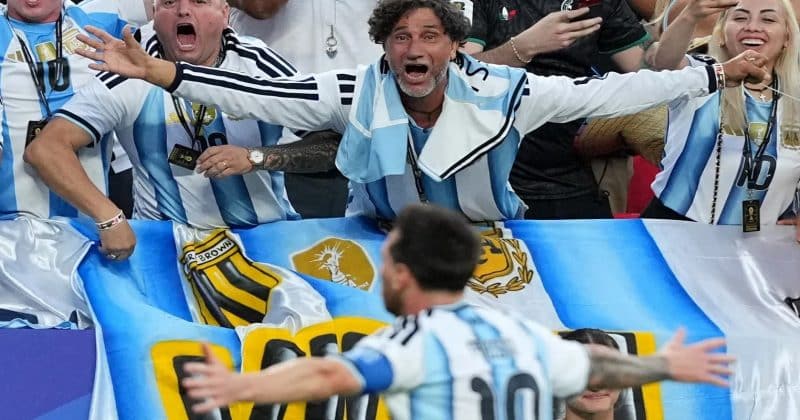
Lionel Messi has done something no footballer has ever managed in the history of the World Cup. By scoring twice in Argentina’s 2-0 win over Austria on June 22, 2026, he became the first player to find the net in seven consecutive World Cup matches, a record that will likely outlast most careers entirely.
His 2022 World Cup campaign in Qatar was the crowning moment of his career, earning him the Golden Ball after leading Argentina to the title. The 2026 World Cup, co-hosted across North America, has given Messi one more stage.
For context, the previous record for consecutive World Cup matches with a goal was held at six. Messi has now stepped past that marker with more games potentially still to play in this tournament.
The crypto angle that actually has legs
Messi signed a reported $20 million multiyear deal with Socios.com back in March 2022 to promote digital fan tokens. Socios is the platform behind team-branded tokens that allow holders to vote on minor club or national team decisions, and sometimes just speculate on price movement. The Argentina fan token, ticker ARG, trades on that platform.
The pattern that has emerged around Messi’s milestone performances is straightforward: when he scores, particularly in high-profile World Cup moments, trading volume for the ARG token has historically spiked. It is not a guaranteed price move, but the correlation between his on-pitch achievements and investor activity in associated tokens is well-documented enough that traders now watch his matches with one eye on the chart.
Messi’s crypto footprint extends beyond Socios. He has been an ambassador and investor in Sorare, the NFT-based fantasy football platform, since November 2022. He partnered with the crypto exchange Bitget in 2022. His venture capital firm, Play Time, participated in Matchday’s $21 million funding round in March 2023. He also promotes the Solana-based meme token WATER.
Sorare, where Messi holds an ambassador and investor stake, operates differently from fan tokens. It is a fantasy platform built on blockchain infrastructure where users collect and trade player cards as NFTs, then use them to compete in fantasy leagues. Messi’s continued elite performance directly supports the value proposition of his digital cards on that platform.
The risk, as always with fan tokens, is that the underlying asset has limited utility beyond speculation and minor voting rights. Price moves driven by athlete performance are real, but they are also reflexive: they can reverse just as quickly when tournament excitement fades.
Disclosure: This article was edited by Editorial Team. For more information on how we create and review content, see our Editorial Policy.


 English (US) ·