
 1 hour ago
9
1 hour ago
9
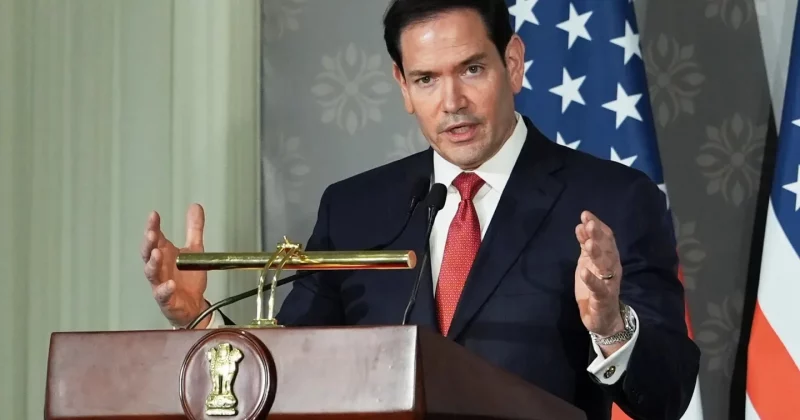
Marco Rubio is not asking nicely. The US Secretary of State has issued a blunt demand to Iran: reopen the Strait of Hormuz, or someone else will do it for you.
The strait, a narrow waterway between Iran and the Arabian Peninsula, handles roughly 25% of the world’s oil trade. Iran’s blockade of the passage, now stretching beyond two months, has choked a critical artery of the global economy. Rubio’s message, delivered in an Al Jazeera interview around March 30, was about as subtle as a foghorn: the strait “will be open one way or another.”
What Iran wants, and what it’s actually getting
Iran has attempted to use that leverage by reportedly imposing tolls on commercial vessels navigating the strait, with payments proposed to be made in cryptocurrency — a way to sidestep the traditional financial system that has largely frozen it out.
Analytics firms such as Chainalysis and TRM Labs have found limited on-chain evidence of large-scale Bitcoin transactions tied to these toll collections. The crypto toll booth, for now, appears more aspirational than operational.
In late April 2026, Rubio highlighted an Iranian proposal to discuss loosening control over the strait in exchange for the cessation of US naval operations in the region. Rubio has also linked the strait’s reopening to broader nuclear negotiations, tying the maritime standoff into a much larger geopolitical package.
The market fallout: oil, Bitcoin, and everything in between
Bitcoin surged past $72,000 in early April 2026 following reports of a potential ceasefire. For oil traders, a reopened strait means renewed supply, which should push prices lower. A prolonged blockade, or worse, a military confrontation, means continued supply constraints and elevated prices.
What this means for investors
The cryptocurrency toll proposal, even if largely symbolic at this point, represents a real-world use case for digital assets in sanctions evasion. If sanctioned nations begin systematically using crypto to conduct international commerce, it will inevitably draw regulatory attention.
Bitcoin’s price sensitivity to Hormuz-related headlines suggests the asset is increasingly trading on macro and geopolitical catalysts. The kind of headline-driven volatility that pushed Bitcoin past $72,000 on ceasefire rumors can just as easily reverse on a single provocative statement from either side.
Disclosure: This article was edited by Editorial Team. For more information on how we create and review content, see our Editorial Policy.





 English (US) ·