
 2 hours ago
20
2 hours ago
20
US Secretary of State Marco Rubio touched down in Abu Dhabi late Tuesday to kick off a three-day Gulf tour, his first major diplomatic mission since the US and Iran signed a memorandum of understanding on June 17. The agreement, which includes a $300 billion reconstruction framework for Iran, is designed to end a four-month conflict that rattled energy markets, shipping lanes, and, by extension, every risk asset on the planet.
Crypto markets have already cast their vote on the deal. Bitcoin surged past $66,000 following the announcement, and the total digital asset market cap jumped by roughly $60 billion.
What the deal actually involves
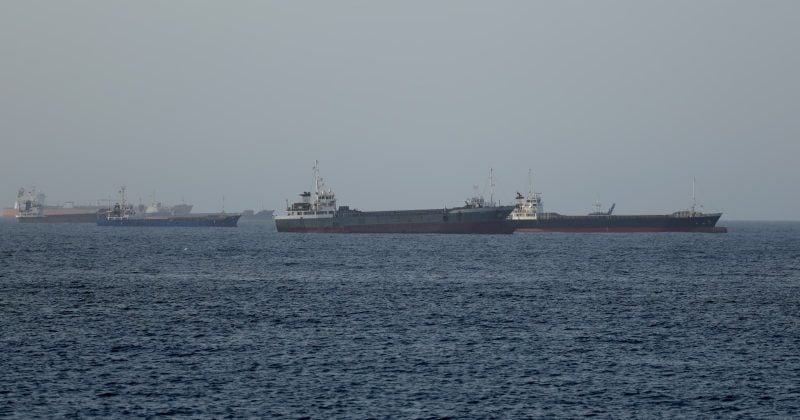
The preliminary accord centers on two things that matter enormously to global commerce. First, the Strait of Hormuz, through which roughly a fifth of the world’s oil supply passes, will reopen for toll-free navigation. Second, a $300 billion reconstruction framework will channel funds toward rebuilding Iranian infrastructure damaged during the conflict.
Rubio’s Gulf tour, which includes stops in the UAE, Kuwait, and Bahrain, is essentially a reassurance campaign. Gulf allies have been less than thrilled about the prospect of Iran receiving a massive capital injection. Their concern isn’t abstract. A wealthier Iran could mean a militarily revitalized Iran, and that reshuffles the regional power balance in ways that make Riyadh, Abu Dhabi, and Manama nervous.
Why crypto markets cared immediately
The mechanism is straightforward. Conflict in the Gulf region drives up oil prices, which feeds inflation expectations, which makes central banks more hawkish, which crushes risk assets. When that chain of dominance reverses, Bitcoin and its peers benefit disproportionately.
That’s exactly what happened after the June 17 MOU was disclosed. Bitcoin’s move above $66,000 reflected a rapid repricing of geopolitical risk. Traders who had been sitting in traditional inflation hedges like gold and commodities rotated into digital assets.
No specific tokens or crypto projects were directly tied to the agreement in market analysis. This was a macro move, not a sector rotation. Bitcoin led, altcoins followed.
What investors should actually watch
First, this is a memorandum of understanding, not a final treaty. MOUs are diplomatic handshakes. They signal intent but carry limited enforcement mechanisms.
Second, the Gulf allies Rubio is visiting have legitimate grievances. If the UAE, Kuwait, or Bahrain feel sidelined by the arrangement, they could take steps that complicate regional stability in other ways.
Third, the $300 billion reconstruction figure is a framework, not a check. How that money flows, through which institutions, under what conditions, and over what timeline, will determine whether the deal produces genuine economic normalization.
For crypto specifically, traders will be watching for concrete outcomes from the Abu Dhabi, Kuwait, and Bahrain meetings as signals of durability. The same sensitivity that produced a $60 billion market cap gain can work in reverse if a single diplomatic meeting goes sideways.
Disclosure: This article was edited by Editorial Team. For more information on how we create and review content, see our Editorial Policy.




 English (US) ·