
 5 months ago
77
5 months ago
77
Key Takeaways
- Major US equity indexes declined Thursday following escalating Middle East conflict that pushed oil prices higher
- Brent crude soared to $119 per barrel following mutual strikes between Israel and Iran on energy facilities
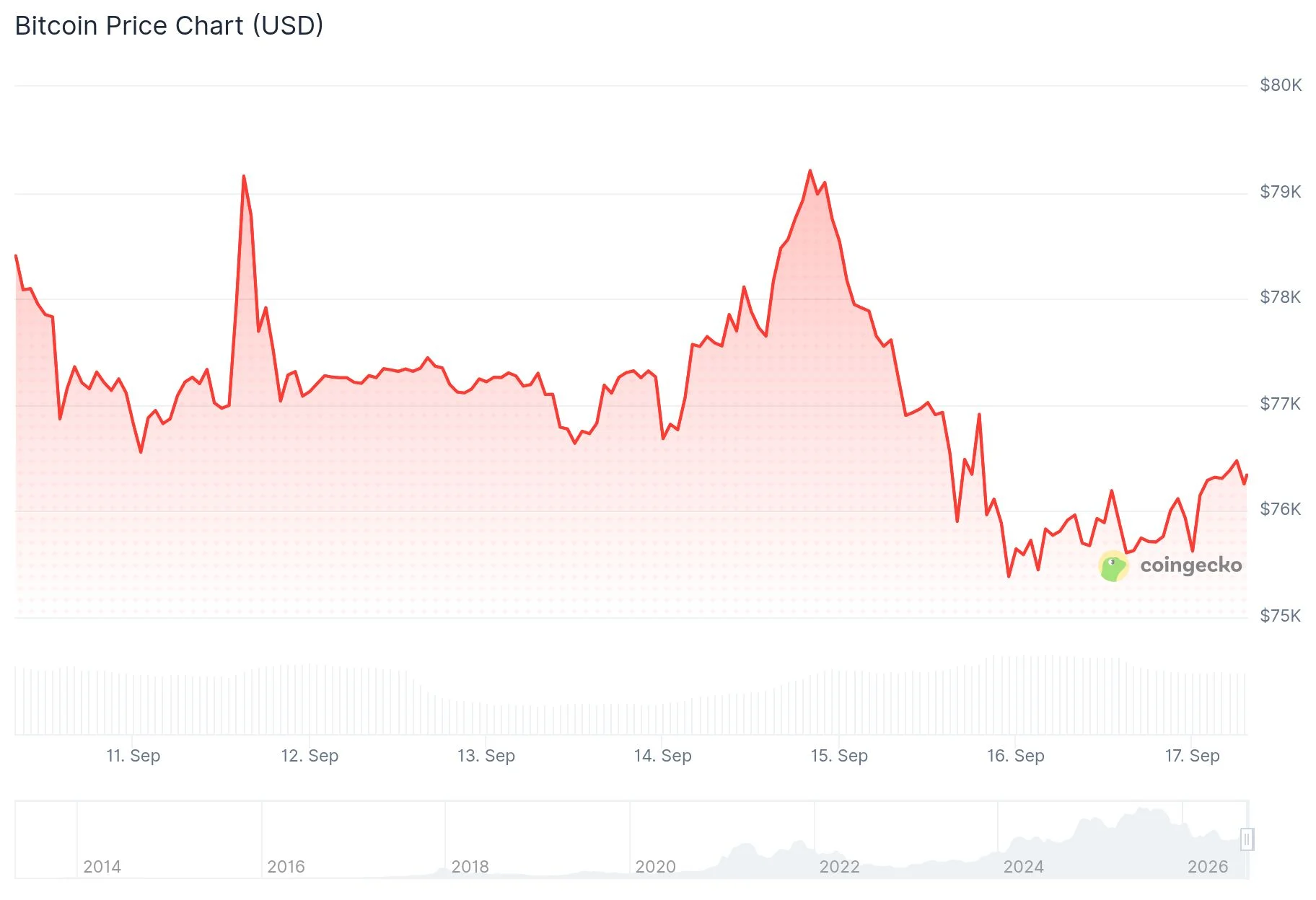
- Bitcoin tumbled under the $70,000 threshold amid broader market weakness and Federal Reserve policy concerns
- Federal Reserve hinted at zero rate reductions in 2026, with certain market participants now anticipating potential increases
- Micron and Alibaba experienced stock declines following earnings releases that sparked concerns about artificial intelligence investment returns
American equity markets experienced significant declines Thursday following military exchanges between Israel and Iran targeting petroleum and natural gas infrastructure across the Persian Gulf region, driving crude oil prices substantially higher and unsettling investors already grappling with inflation anxieties.
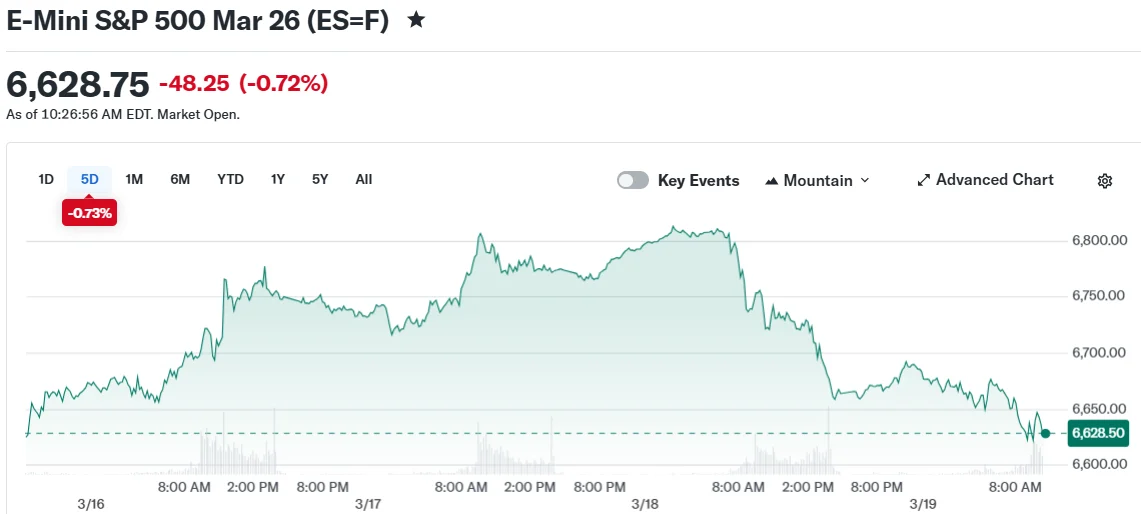 E-Mini S&P 500 Mar 26 (ES=F)
The Dow Jones Industrial Average plummeted approximately 300 points during the opening session, representing a decline of roughly 0.7%. The S&P 500 decreased 0.9% while the Nasdaq Composite retreated 1.3% at the open, though both benchmarks recovered a portion of their losses as trading progressed.
Brent crude futures skyrocketed by as much as 10%, touching $119 per barrel before stabilizing near $112. West Texas Intermediate crude experienced a more modest increase to approximately $96 per barrel, creating the widest pricing differential between the two oil benchmarks witnessed in several years.
Israeli forces targeted Iran’s South Pars natural gas facility. In retaliation, Iran launched counterattacks against energy installations in Qatar and Saudi Arabia. Market analysts characterized these reciprocal strikes as representing a new escalation in regional hostilities.
David Rosenberg from Rosenberg Research cautioned that the damage inflicted on energy infrastructure suggests oil prices will remain elevated well beyond any potential conflict resolution, preventing a rapid return to pre-crisis pricing levels.
Federal Reserve Policy and Interest Rate Projections
The Federal Reserve maintained its current interest rate position at its most recent policy meeting while indicating just one potential reduction throughout the remainder of this year. Chairman Jerome Powell’s remarks were interpreted as adopting a more hawkish tone, leading traders to eliminate expectations for any cuts in 2026. Some market observers are even discussing the possibility of a near-term rate increase.
The central bank additionally adjusted its inflation projections upward, intensifying worries that the petroleum price spike could further exacerbate the inflationary environment.
Weekly unemployment insurance claims registered at 205,000, representing a decrease from the previous week’s figures, providing one of the few encouraging economic indicators during an otherwise challenging trading day.
Bitcoin slipped beneath the $70,000 level on Thursday. The cryptocurrency’s decline mirrored the broader market retreat and reflected concerns surrounding the Federal Reserve’s interest rate trajectory. XRP similarly experienced downward pressure.
Company-Specific Developments
Micron shares declined during premarket hours despite delivering robust earnings results. Market participants concentrated on the semiconductor manufacturer’s substantial artificial intelligence capital expenditure plans, expressing skepticism regarding the timeline for return on these investments.
Alibaba equity also retreated following disclosure of a 67% quarterly profit collapse. The disappointing financial performance underscored mounting pressure on the e-commerce giant to demonstrate tangible returns from its artificial intelligence initiatives.
Asian equity markets declined during overnight trading sessions reacting to the Middle East escalation. US short-term Treasury bond yields advanced as fixed-income selling intensified.
The Philadelphia Federal Reserve Manufacturing Index was scheduled for release later Thursday, with investors monitoring for additional indications of economic deterioration.
By mid-morning trading in New York, the Dow Jones Industrial Average had surrendered 283 points, the S&P 500 was lower by 0.5%, and the Nasdaq Composite had declined 0.6%.
The post Market Plunge Explained: Why Stocks Tumbled on Thursday, March 19 appeared first on Blockonomi.







 English (US) ·