
 1 hour ago
11
1 hour ago
11
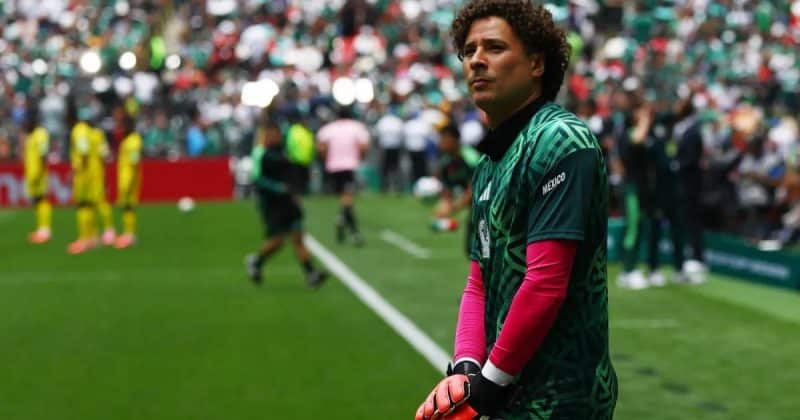
Mexico’s national team has revealed its starting XI for the Group A showdown against the Czech Republic at Estadio Azteca in Mexico City. The match, scheduled for June 25, 2026, arrives with Mexico already through to the knockout rounds, a luxury that gives manager Javier Aguirre room to approach the fixture from a position of strength rather than desperation.
The lineup and what it signals
Aguirre is expected to deploy a strong side despite having nothing left to prove in the group stage. Goalkeeper José Rangel anchors the back, with midfielder Edson Álvarez controlling the middle of the park and veteran forward Raúl Jiménez leading the line.
No injuries have been reported among Mexico’s starters. Mexico advanced after a tight 1-0 win over South Korea. On the Czech side, coach Miroslav Koubek has opted for a 3-4-2-1 formation.
The expanded 48-team format for the 2026 World Cup means the group stage dynamics are different from previous tournaments.
Crypto meets the beautiful game
On June 9, Kraken was announced as FIFA’s first-ever Official Crypto Exchange Supporter, a designation that comes with activations across host cities, including Mexico City.
Mexico being a co-host amplifies this dynamic. Crypto sponsorship activations at Estadio Azteca create touchpoints for fan engagement that go beyond simple logo placement, including merchandise purchases, event access, and digital collectibles.
What this means for the crypto market
Tokens tied to fan engagement platforms, like CHZ from Chiliz, tend to see upticks in trading volume around major tournament moments.
FIFA choosing to partner with a crypto exchange is a legitimacy marker. It suggests that the governing body of the world’s most popular sport sees digital assets as a durable revenue stream. Every Kraken activation at Estadio Azteca, every digital collectible distributed, every crypto-enabled transaction completed inside the stadium is a data point in the argument that blockchain technology has a permanent role in the sports entertainment economy.
Disclosure: This article was edited by Editorial Team. For more information on how we create and review content, see our Editorial Policy.





 English (US) ·