
 1 month ago
27
1 month ago
27
Husqvarna’s CEO suggests the ongoing Middle East conflict could lead to a “staycation” trend, as the US-Iran nuclear deal by April 30 market drops to 6.9% YES, down from 20% yesterday.
Market reaction
The April 30 nuclear deal market has collapsed from 38% a week ago to 6.9% YES with seven days remaining. Daily volume is $73,896 in face value, but actual USDC traded is only $11,881, a thin market. It costs $2,254 to move the price 5 percentage points, leaving room for sharp swings.
The WTI Crude $160 April market sits at 0.8% YES, essentially unchanged despite ongoing blockades affecting oil supply. Face value volume is $49,622, but only $514 in actual USDC has traded, making this market especially susceptible to large single trades. The cost to move the price 5 points is $1,955.
The Israel-Iran permanent peace deal by April 30 market is at 2.8% YES. The June 30 sub-market is more active at 13.5% YES, suggesting traders see a possible resolution on a longer timeline. That market has $3,004 in actual USDC traded, more liquidity than the others, but it still takes only $322 to move the odds 5 points.
Why it matters
The Husqvarna CEO’s “staycation” prediction reflects real travel anxiety tied to the Middle East situation, with potential knock-on effects for consumer spending and economic forecasts. Across all three related prediction markets, odds have moved sharply toward pessimism. The nuclear deal market’s collapse from 38% to 6.9% in a single week captures how quickly trader sentiment has shifted against a diplomatic outcome.
What to watch
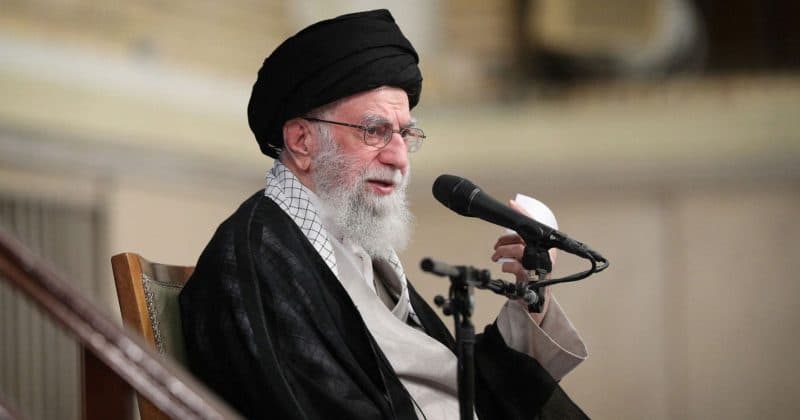
Any diplomatic signals from Trump, Khamenei, or mediators like Oman and Turkey could move these markets fast given their thin liquidity. For contrarian bettors, the nuclear deal market offers a 14.5x return if a deal is struck by April 30, though that requires believing a breakthrough is imminent with seven days left.
API access
Get prediction market intelligence as a structured API feed. Early access waitlist.








 English (US) ·