
 2 months ago
45
2 months ago
45

## Market Snapshot
Strait of Hormuz traffic market indicates a decrease in likelihood of normalcy by end of April, with pricing consistent with disruptions. WTI crude oil prices market suggests an increase in likelihood of hitting $150 in May due to heightened Middle East tensions.
## Key Takeaways
– The ongoing Middle East conflict, involving the US, Israel, and Iran, appears to increase supply risks affecting oil prices. – Threats to the Strait of Hormuz suggest continued disruptions in maritime traffic, consistent with decreased likelihood of normalcy. – WTI crude prices are likely to see upward pressure, with market pricing reflecting potential for hitting $150 in May.
## Article Body
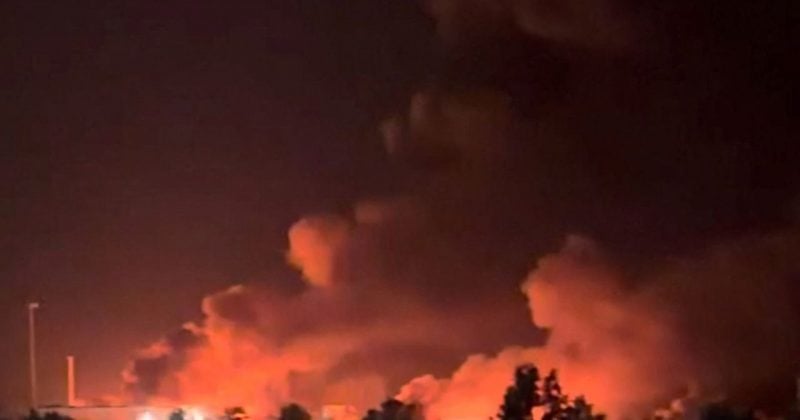
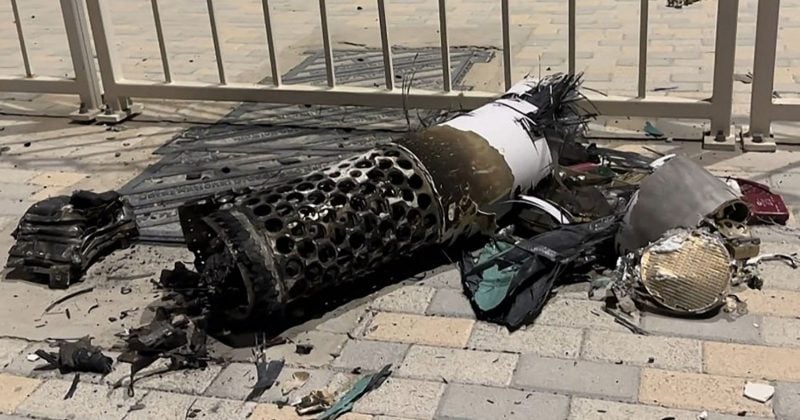
The Middle East remains a focal point of geopolitical tension, with recent escalations involving the United States, Israel, and Iran. The increased hostilities have notably impacted global oil markets, driving Brent crude oil prices above $100-$120 per barrel due to anticipated supply risks. The Strait of Hormuz, a critical chokepoint for global oil and LNG shipments, faces potential disruptions as hostilities continue. These developments echo past crises where significant supply interruptions led to substantial oil price increases. The current situation, marked by a $14+ risk premium on oil, underscores the high stakes involved.
## Market Interpretation
The current geopolitical tensions in the Middle East have a high impact on both the Strait of Hormuz traffic and WTI crude markets. The continued threats and disruptions to the Strait suggest a consistent scenario where normal traffic conditions are unlikely to resume soon. In parallel, the potential for increased supply disruptions supports higher WTI crude oil prices, with market pricing implying a strong chance of reaching $150 per barrel in May. Both markets reflect a heightened perception of risk and volatility driven by ongoing conflict.
## What to Watch
Key developments to monitor include any shifts in US-Iran relations, particularly potential peace talks or escalations. The role of the US and allied forces in ensuring safe passage through the Strait of Hormuz will be crucial. Additionally, announcements from the US Energy Information Administration (EIA) regarding oil price forecasts and inventories may provide further insight into market directions. Watch for geopolitical shifts and technical indicators in oil futures for understanding the ongoing impact on these markets.
Get prediction market intelligence as a structured API feed. Early access waitlist.




 English (US) ·