
 4 months ago
53
4 months ago
53
- Regulators question crypto exposure to minors through fintech apps
- Focus shifts from exchanges to influencer-driven distribution
- Move could reshape how new users enter crypto markets
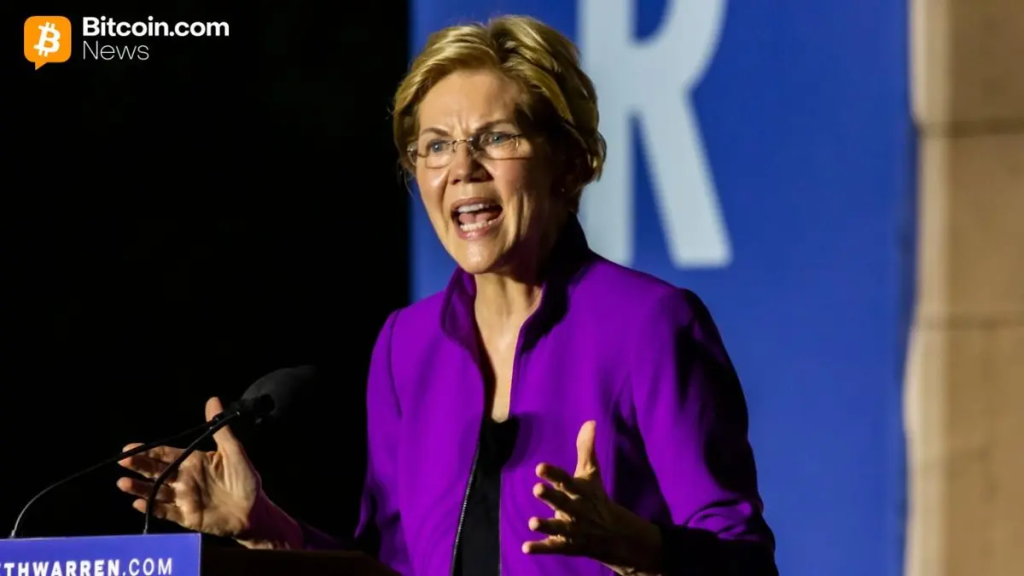
Washington is starting to look at crypto from a different angle, and it’s not the one most people expected. Senator Elizabeth Warren has raised concerns following MrBeast’s company acquiring Step, a banking app aimed at teenagers. The issue isn’t just the deal itself, it’s what could come next, especially if crypto or NFTs are introduced to a young user base.

That alone signals a shift. Regulators aren’t just watching exchanges or token issuers anymore. They’re paying attention to who controls access, and more importantly, who influences new users before they fully understand the risks.
The Concern Is About Access, Not Just Assets
Step has positioned itself as a financial platform for younger users, often operating with parental oversight. In the past, it has experimented with limited crypto exposure and even promoted educational content around digital assets. That by itself already puts it on the radar.
Now layer in MrBeast, one of the most influential creators globally, with a massive audience made up largely of Gen Z and even younger demographics. The concern becomes less about crypto as a technology and more about how it’s introduced. If high-risk assets are presented through trusted personalities, the dynamic changes quickly.
Influencers Are Becoming Financial Gateways
This is where things start to get uncomfortable for regulators. Crypto adoption is no longer happening only through exchanges or trading platforms. It’s increasingly driven by personalities, content, and communities.
When influencers step into fintech, they don’t just bring users, they bring trust and attention at scale. That combination can accelerate adoption, but it can also amplify risk, especially for audiences that may not fully understand volatility or downside scenarios.
A New Type of Regulatory Pressure
What’s emerging here is a different kind of oversight. Instead of focusing purely on assets or platforms, regulators are beginning to examine distribution channels. Who is introducing crypto, how it’s being framed, and who is receiving that message.
If this trend continues, it could reshape onboarding into crypto entirely. Growth driven by younger retail users, which has historically fueled major market cycles, may face new friction. Not through bans, but through tighter control over how access is granted.
Crypto Adoption Is Changing Shape
The bigger realization in Washington seems to be that crypto adoption isn’t just technological anymore. It’s cultural. It spreads through social influence, content, and digital ecosystems that operate outside traditional finance.
And once that becomes clear, regulation naturally follows. Not just toward the product itself, but toward the pipeline bringing users in.
The Focus Shifts From Product to Pipeline
This situation isn’t really about one creator or one platform. It’s about a broader shift in how crypto enters people’s lives. If influencers become financial gateways, they also become regulatory focal points.
That changes the conversation. Crypto isn’t just competing on innovation anymore, it’s being evaluated on responsibility, audience, and impact. And that shift could define the next phase of how the industry grows.
Disclaimer: BlockNews provides independent reporting on crypto, blockchain, and digital finance. All content is for informational purposes only and does not constitute financial advice. Readers should do their own research before making investment decisions. Some articles may use AI tools to assist in drafting, but every piece is reviewed and edited by our editorial team of experienced crypto writers and analysts before publication.







 English (US) ·