
 38 minutes ago
14
38 minutes ago
14
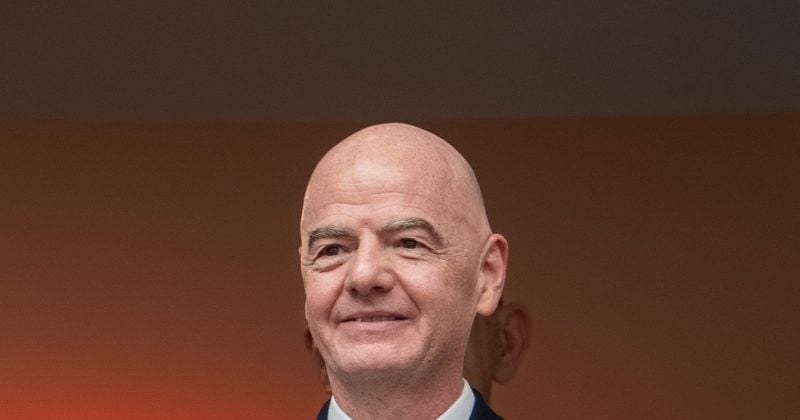
Kevin Warsh, the newly installed Federal Reserve Chair, is already making clear that the central bank’s balance sheet is firmly in his crosshairs. In recent remarks, Warsh stated the Fed can achieve different balance sheet levels, a seemingly innocuous comment that carries significant weight for anyone holding risk assets, crypto included.
The balance sheet backdrop
The Fed’s balance sheet currently sits somewhere in the range of $6.7 to $7 trillion. That’s down considerably from the nearly $9 trillion peak hit during the pandemic-era money printer era.
Warsh, who was confirmed as Fed Chair on May 13 following a 54-45 Senate vote and took his oath around May 22, has long advocated for a smaller central bank balance sheet. During his previous stint as a Fed Governor from 2006 to 2011, he consistently pushed for tighter monetary conditions.
For context, before the 2008 financial crisis, the Fed’s balance sheet was under $1 trillion. The current level, even after years of gradual reduction, remains roughly seven times that pre-crisis figure.
What Warsh actually did at his first meeting
Warsh’s first FOMC meeting in mid-June kept the federal funds rate steady at 3.50% to 3.75%. He also established a task force specifically to review the balance sheet and other policy areas. Warsh’s approach emphasizes FOMC consensus before making major moves, suggesting any dramatic balance sheet reduction won’t happen overnight.
Why crypto investors should care deeply
Bitcoin and the broader crypto market have historically thrived in loose monetary environments and struggled when conditions tighten. The pandemic-era rally that took Bitcoin to its all-time highs coincided neatly with the Fed’s balance sheet expanding to that $9 trillion peak.
If the Fed continues reducing its balance sheet while keeping rates at 3.50% to 3.75%, that’s a squeeze on the liquidity conditions that have fueled crypto’s biggest runs. When traditional assets like bonds are yielding in the mid-three percent range with minimal risk, the opportunity cost of holding volatile assets like Bitcoin goes up.
For traders, the key variable to watch is the pace of quantitative tightening. The speed at which the Fed lets securities roll off its balance sheet without reinvesting the proceeds is effectively a dial controlling how fast liquidity drains from the system. Warsh’s task force will likely produce recommendations on calibrating that pace.
Disclosure: This article was edited by Editorial Team. For more information on how we create and review content, see our Editorial Policy.






 English (US) ·