
 4 months ago
73
4 months ago
73
- NFT platforms shift toward utility, memberships, and real-world integrations
- Multichain systems and AI tools redefine how marketplaces operate
- Seamless UX and compliance features become standard, not optional
The NFT market has quietly, almost subtly, outgrown its original identity, and not everyone noticed it happening. What used to revolve around hype drops and pixel art speculation has now shifted toward something a bit more grounded, more infrastructure-heavy.
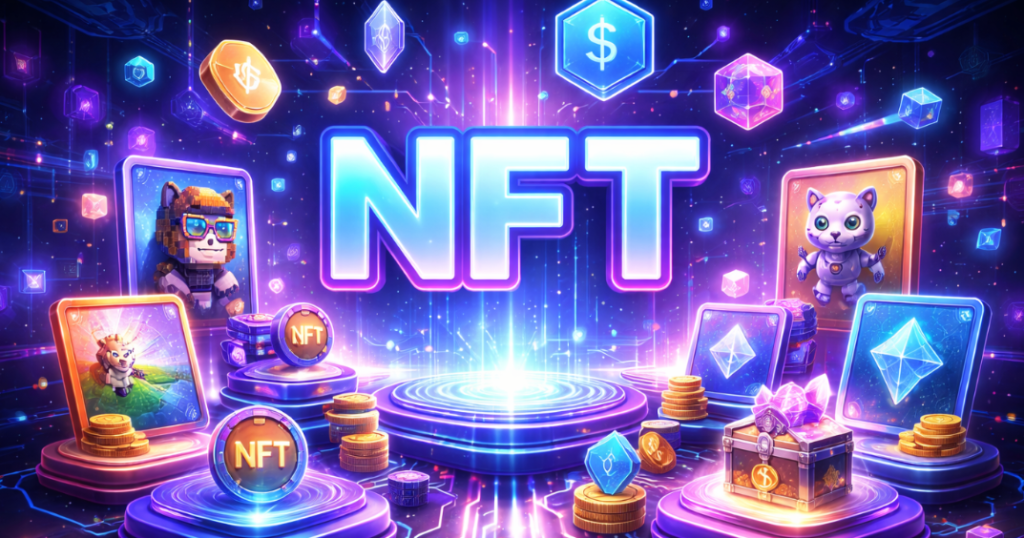
In 2026, the platforms leading the space aren’t racing to launch the next celebrity collection, they’re building systems that support memberships, gaming assets, event access, and even tokenized physical goods. The old mint-and-list model still exists, sure, but it feels… outdated, like an early prototype compared to what’s happening now.
The Technical Shifts Doing the Heavy Lifting
One of the biggest changes shaping this new landscape is multichain architecture, which has quietly become a necessity rather than a feature. Users don’t want to think about bridges or switching networks anymore, so platforms now handle cross-chain interactions in the background, almost invisibly.
At the same time, AI has moved beyond buzzword territory and into real operational use, helping detect fraud, flag suspicious wallets, and even guide users toward assets they might actually care about. Programmable royalties are also stepping in to replace rigid fee structures, giving creators more flexibility depending on how assets are used or held over time.
The UX Bar Has Moved Considerably
What’s probably even more telling is how much the user experience has changed, and how quietly it happened. Wallets can now be created with just an email, purchases happen through credit cards, and gas fees are often abstracted away entirely, meaning users interact with NFTs without even realizing they’re on-chain.
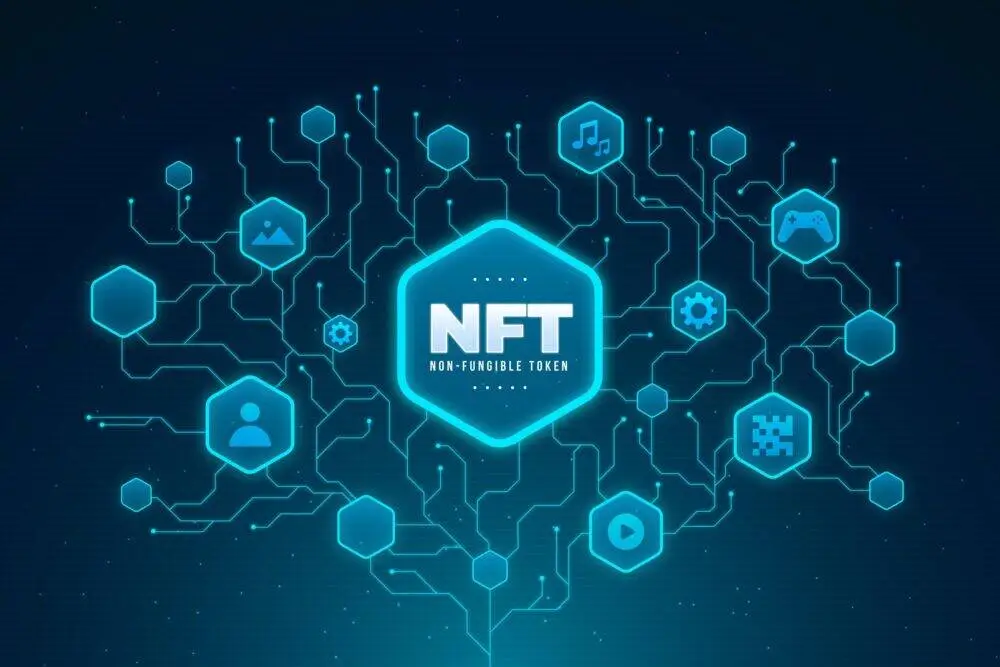
It’s not about simplifying for the sake of it, it’s about removing friction to the point where blockchain becomes invisible. That’s what real adoption tends to look like, not loud, but steady and almost unnoticed.
From Speculation to Digital Ownership Infrastructure
The platforms gaining traction now are thinking beyond speculation and short-term hype cycles. They’re building full ecosystems around digital ownership, layering in compliance tools, community features, and actual utility that extends beyond just holding a token.
It took a few boom-and-bust cycles to get here, maybe more than expected, but the shift feels real this time. The conversation isn’t just about NFTs as assets anymore, it’s about what they enable, and that’s a much bigger, more durable idea.
Disclaimer: BlockNews provides independent reporting on crypto, blockchain, and digital finance. All content is for informational purposes only and does not constitute financial advice. Readers should do their own research before making investment decisions. Some articles may use AI tools to assist in drafting, but every piece is reviewed and edited by our editorial team of experienced crypto writers and analysts before publication.









 English (US) ·