
 5 months ago
76
5 months ago
76
- Nintendo sued the US government seeking refunds for tariffs collected since 2025
- The company argues duties imposed under emergency powers were unlawful
- The lawsuit could affect major tech and gaming companies facing higher import costs
Nintendo has filed a lawsuit against the US government over tariffs imposed during President Donald Trump’s administration, arguing that the duties were illegally collected and should be refunded. The case, filed in the United States Court of International Trade, seeks the prompt return of tariffs paid over the past year, along with interest.
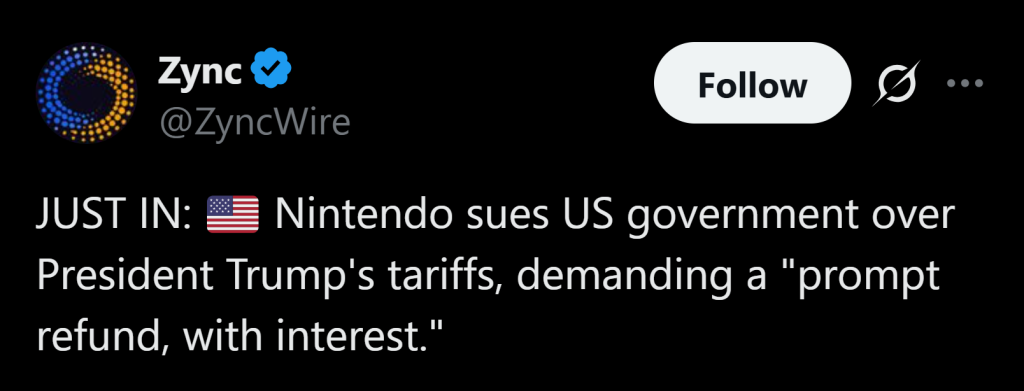
The lawsuit names several senior government officials as defendants, including Treasury Secretary Scott Bessent, former Homeland Security Secretary Kristi Noem, US Trade Representative Jamieson Greer, Customs and Border Protection Commissioner Rodney Scott, and Commerce Secretary Howard Lutnick. Nintendo claims the tariffs harmed the company financially and were enforced even after courts raised concerns about their legality.
Dispute Centers on Emergency Tariff Powers
At the center of the lawsuit is the International Emergency Economic Powers Act (IEEPA), a law passed in 1977 that allows the US president to take economic actions during national emergencies. According to Nintendo, the Trump administration relied on this authority to impose tariffs on imports from a wide range of countries.
The company argues that these tariffs were unlawful and that courts have already questioned the legal basis behind them. Despite those rulings, Nintendo claims the government continued to collect the duties. As the importer of record for affected products, Nintendo says it has the legal standing to challenge the policy.
Tariffs Impacted Global Gaming Supply Chains
The tariffs were applied to goods imported from several countries, including Canada, Mexico, China, Brazil, and India. For companies like Nintendo that rely on global supply chains, the added duties increased costs across multiple product categories.
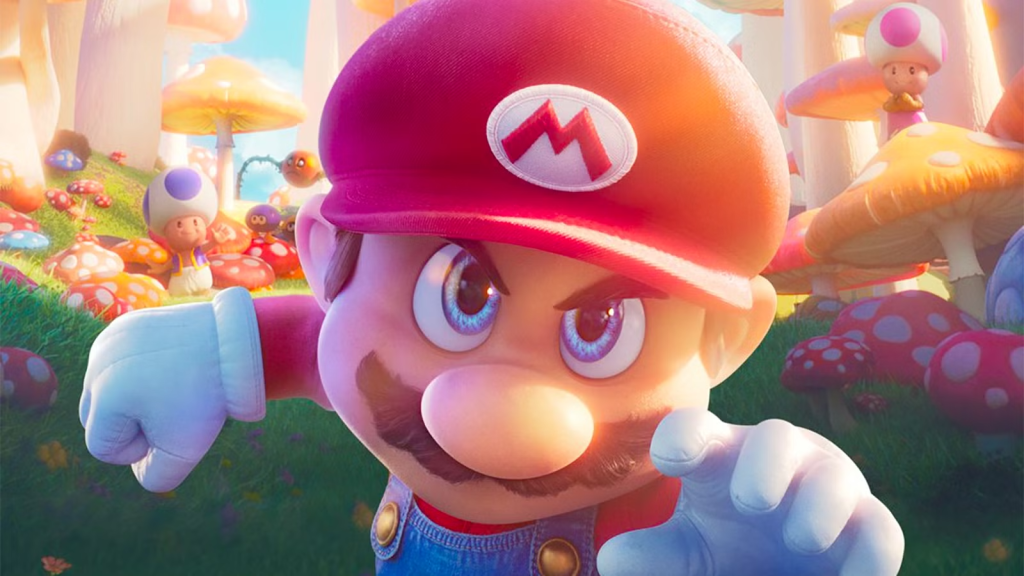
Video game console manufacturers, toy companies, and tabletop game publishers have all felt the pressure from rising import costs. The gaming industry in particular relies heavily on international manufacturing for components such as processors, screens, and memory chips.
Switch 2 Launch Was Affected by Trade Policies
The impact of tariffs has already been visible in Nintendo’s product plans. Last year the company delayed preorders for the Nintendo Switch 2, citing uncertainty created by the sudden implementation of tariffs. Industry observers said the policy created confusion for companies trying to manage pricing and supply chains.
At the same time, global hardware manufacturers have also faced rising component prices due to supply pressures linked to the expanding artificial intelligence industry. Increased demand for chips and other electronic parts has added further strain to already complex manufacturing networks.
Lawsuit Could Set Broader Industry Precedent
Nintendo is asking the court to declare the tariffs unlawful and void. The company is also requesting refunds for all duties collected under the disputed policy, along with legal costs and additional relief if the court finds it appropriate.
The outcome of the case could have implications beyond Nintendo. If the court rules in the company’s favor, other manufacturers affected by the same tariffs may pursue similar claims. That possibility is why the lawsuit is being closely watched by companies across the technology and gaming sectors.
Disclaimer: BlockNews provides independent reporting on crypto, blockchain, and digital finance. All content is for informational purposes only and does not constitute financial advice. Readers should do their own research before making investment decisions. Some articles may use AI tools to assist in drafting, but every piece is reviewed and edited by our editorial team of experienced crypto writers and analysts before publication.





 English (US) ·