
 1 hour ago
14
1 hour ago
14
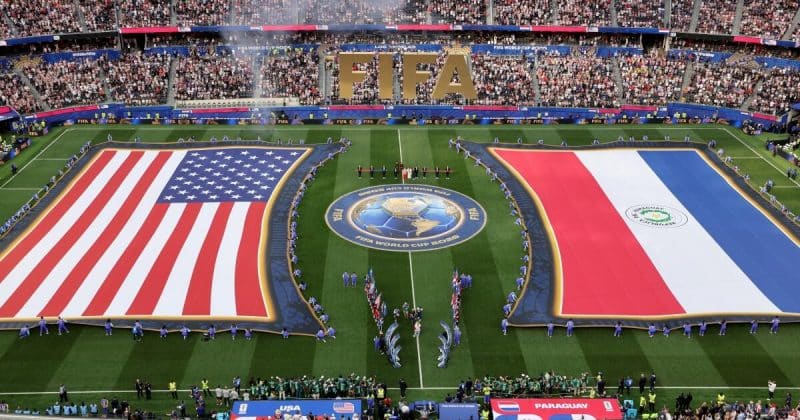
Three days before the 2026 FIFA World Cup kicked off on June 11, Ofcom sent a message to the biggest platforms on the internet: get your house in order, or we’ll do it for you.
The UK communications regulator issued formal warnings to X, Meta, and YouTube on or around June 8, putting them on notice that their legal obligations under the Online Safety Act would be actively monitored throughout the tournament. The specific concern: predictable waves of racist, sexist, and discriminatory abuse targeting footballers, a pattern that has repeated itself during every major tournament in recent memory.
What Ofcom is actually demanding
Under the law, social media companies must maintain easy-to-use reporting tools for users, staff moderation teams capable of handling surges in abusive content, and remove illegal material promptly.
The consequences for falling short are genuinely painful. Breaches can result in fines of up to £18 million or 10% of global qualifying revenue, whichever figure is higher.
Oliver Griffiths, Ofcom’s Online Safety Group Director, emphasized the legal duty of tech firms to address hate and abuse on their platforms, framing compliance not as optional goodwill but as a binding obligation with consequences attached.
To back up the warnings, Ofcom is running a “live programme” of monitoring throughout the World Cup, with data being shared among a network of enforcement partners.
The playbook comes from painful history
Historical data from previous tournaments shows clear, documented surges in online hate, particularly targeting Black and minority ethnic players. Abuse tied to perceived sexual orientation and disability has also spiked during these events. The men’s tournament in 2021 and the women’s tournament in 2025 both served as case studies in how quickly platforms can be overwhelmed by coordinated and spontaneous bigotry.
After England’s loss in the Euro 2020 final (played in 2021), the racist abuse directed at Marcus Rashford, Jadon Sancho, and Bukayo Saka became a national flashpoint. Platforms were widely criticized for their sluggish response, with abuse visible for hours before moderation caught up and many accounts responsible facing no consequences.
A cross-sector partnership was formed in February 2026 bringing together the Football Association, the Premier League, anti-discrimination charity Kick It Out, and the UK Football Policing Unit. The coalition is designed to share intelligence and coordinate enforcement actions against individuals responsible for online hate.
Why this moment matters for platform regulation
This is the first major international sporting event where the Online Safety Act is fully in play. The law received Royal Assent in late 2023, but its enforcement provisions have been rolling out in phases.
The timing is particularly interesting for X, which under Elon Musk’s ownership has dramatically reduced its trust and safety workforce. Meta’s Instagram was a primary vector for abuse during previous football tournaments. YouTube’s algorithmic recommendation system has been flagged repeatedly for amplifying inflammatory content during high-engagement events.
The Premier League and FA’s direct involvement in the monitoring coalition means platforms aren’t just answering to a regulator. They’re answering to the organizations that generate the content driving their engagement in the first place.
Disclosure: This article was edited by Editorial Team. For more information on how we create and review content, see our Editorial Policy.





 English (US) ·