
 1 hour ago
20
1 hour ago
20
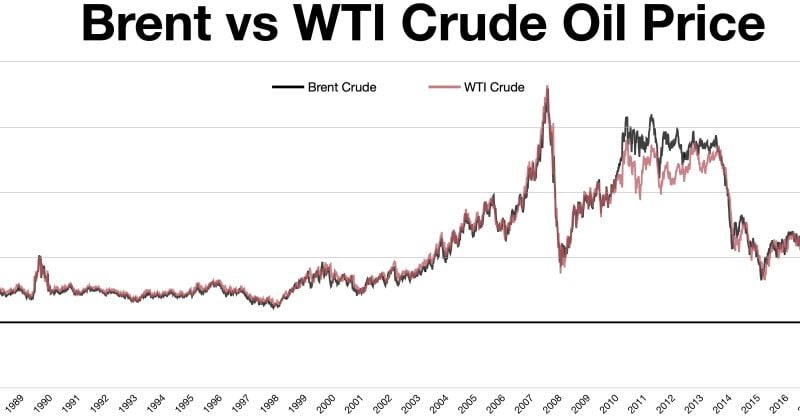
Oil prices have experienced a decline following comments from former U.S. President Donald Trump, but focus remains on the volatility surrounding the Strait of Hormuz. This critical maritime passage is responsible for transporting a significant portion of global oil and LNG, and any disruptions could significantly impact global markets. The ongoing geopolitical tensions, particularly involving U.S.-Iran relations, have kept market participants vigilant, as potential disruptions in the strait could rapidly alter the supply and demand dynamics of the oil market. Current pricing trends in prediction markets appear to reflect this uncertainty, with fluctuating probabilities of oil price targets.
Key Takeaways
- Market pricing suggests uncertainty around oil supply, potentially raising the likelihood of WTI crude hitting higher price targets.
- Attention on the Strait of Hormuz indicates that any disruption might elevate the geopolitical risk premium in crude prices.
- Current pricing levels are consistent with scenarios where geopolitical tensions influence oil market volatility.
What to Watch
Observers should monitor developments in the Strait of Hormuz for any signs of disruption, as these could trigger significant shifts in oil prices. Key actors such as the U.S. government, Iranian authorities, and OPEC+ leadership could influence market dynamics with new policy announcements or geopolitical developments. Watch for updates on U.S.-Iran relations, as agreements or conflicts could shift the probability landscape for oil prices reaching specified targets.
Get live prediction-market analysis, powered by Vera. Sign up for Vera.
Disclosure: This article was edited by Estefano Gomez. For more information on how we create and review content, see our Editorial Policy.






 English (US) ·