
 1 month ago
49
1 month ago
49
The prospect of a US-Iran peace deal is doing what OPEC production cuts couldn’t undo: dragging oil prices meaningfully lower. Brent crude has dropped approximately 15% from its war-elevated highs, settling around $92 per barrel, while West Texas Intermediate has slid into the mid-to-high $80s.
For context, both benchmarks remain well above their pre-conflict levels. Before the US-Iran conflict escalated in late February 2026, Brent was trading near $72. So the decline is significant, but the “peace dividend” hasn’t fully materialized yet.
The Strait of Hormuz factor
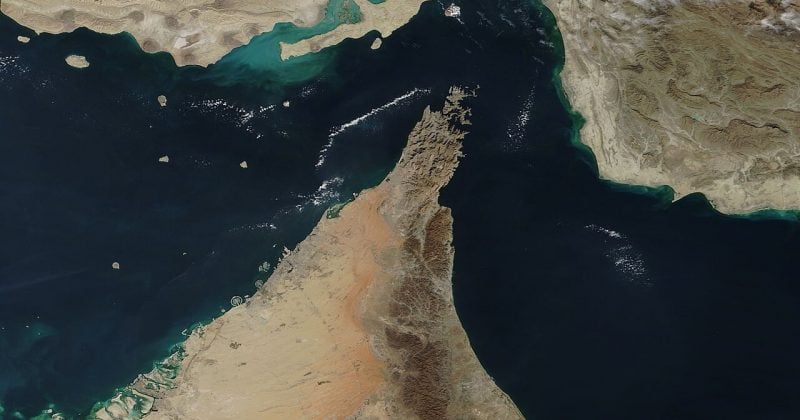
Here’s the thing about the Strait of Hormuz: roughly 20% of the world’s oil supply passes through it. It’s the single most important chokepoint in global energy logistics, and it’s been under effective blockade conditions since early March 2026.
Iran imposed shipping restrictions through the strait in response to military strikes against its interests.
On May 25, 2026, Iran signaled it would restore shipping in the Strait of Hormuz to pre-war levels within approximately 30 days of reaching a deal with the US.
Weekly declines of up to 12% in both Brent and WTI underscore just how aggressively traders have been repricing the geopolitical risk premium.
What’s driving the optimism
President Donald Trump has suggested ongoing ceasefire extensions, a development that analysts from ING and UBS have pointed to as a key driver of downward pressure on oil prices.
The conflict escalated sharply in late February 2026, when Iran responded to military strikes by restricting shipping through the strait.
What this means for crypto and commodity investors
Bitcoin and other major tokens have shown remarkably little correlation to the oil price swings. Bitcoin was trading below $73,000 in late May 2026, largely unmoved by the geopolitical chess match playing out in energy markets.
Digital asset markets appear to be driven more by regulatory developments and internal market sentiment than by the kind of geopolitical shocks that traditionally ripple across commodities and equities.
For oil-focused investors, a successful peace deal and reopening of the strait could push prices back toward pre-conflict levels near $72. That’s another potential 15% decline from current levels.
Commodity traders should watch the 30-day timeline Iran cited for restoring shipping. If that window opens and tankers start moving through the strait at pre-war volumes, the remaining risk premium could evaporate quickly.
Disclosure: This article was edited by Editorial Team. For more information on how we create and review content, see our Editorial Policy.







 English (US) ·