
 1 hour ago
29
1 hour ago
29
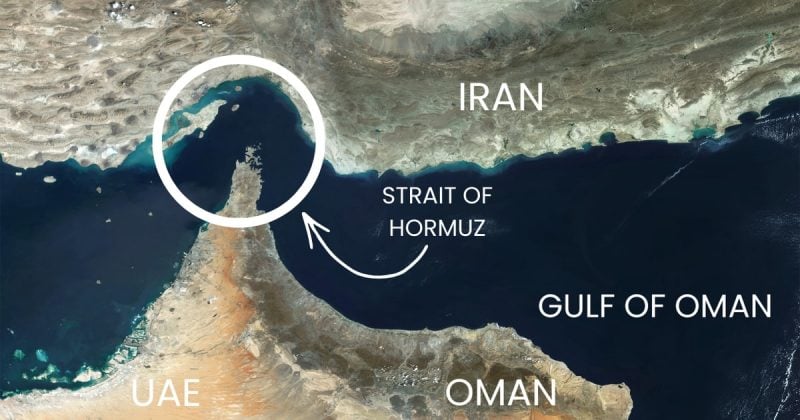
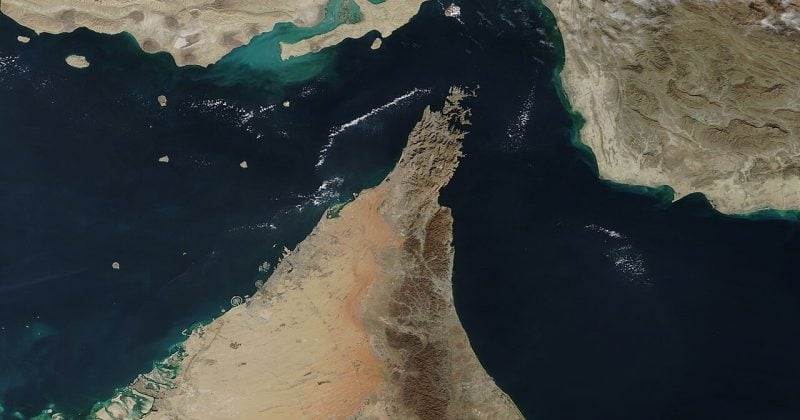
Oil prices have surged following a significant slowdown in shipping traffic through the Strait of Hormuz, with activity at a multi-week low. This development has reignited fears of supply disruptions, coinciding with fresh US-Iran missile strikes earlier this month. Benchmark Brent crude has climbed approximately 4%, above $74–$76 per barrel, reversing a recent downturn. The Strait of Hormuz, a critical conduit for global oil and liquefied natural gas, is currently operating below 2% of its typical throughput, with over 150 vessels stranded due to ongoing military tensions. This situation threatens to derail forecasts of an oil market surplus in the coming year, as Gulf oil exports remain significantly below pre-conflict levels.
Key Takeaways
- Market behavior suggests increased concern over oil supply due to the slowdown in Hormuz traffic.
- Current pricing is consistent with scenarios where crude oil may reach higher levels by the end of the year.
- The ongoing conflict between the US and Iran appears to be a critical factor influencing market volatility and oil prices.
What to Watch
Observers should monitor developments in the Strait of Hormuz for signs of easing or worsening traffic conditions, which may influence oil price trajectories. Key actors, including OPEC and the International Energy Agency, may provide updates that could impact market expectations. Future geopolitical developments, particularly regarding US-Iran relations, will be crucial in determining whether current conditions persist or resolve, potentially affecting market pricing for crude oil reaching new highs by year-end.
Get live prediction-market analysis, powered by Vera. Sign up for Vera.
Disclosure: This article was edited by Estefano Gomez. For more information on how we create and review content, see our Editorial Policy.






 English (US) ·