
 1 hour ago
15
1 hour ago
15
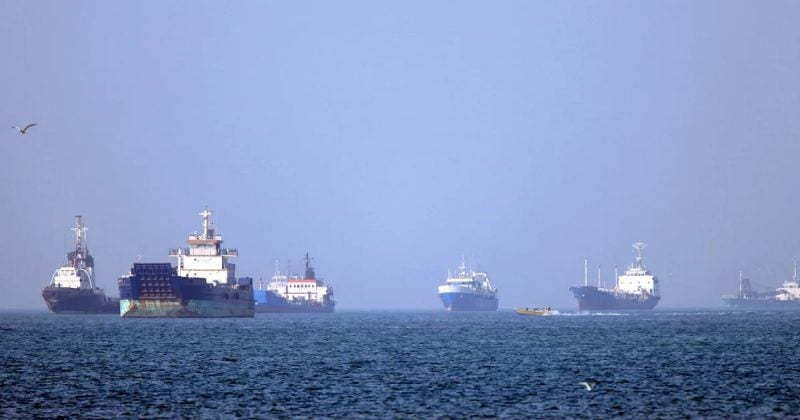
Oil prices have returned to pre-war levels as traffic through the Strait of Hormuz rebounds, following the recent reopening of the crucial passageway. The U.S. is actively working to reassure Gulf allies regarding uncertainties surrounding the Iran deal. The Memorandum of Understanding between the U.S. and Iran, which extended the ceasefire by 60 days and reopened the Strait, has been a key factor in this development. Despite the positive movement, challenges remain, such as persistent threats and insurance premium increases, indicating that full normalization may take months.
Key Takeaways
- Market behavior suggests increased confidence in the Strait of Hormuz traffic resuming normal levels by the end of June.
- The recently reported rebound in traffic and stabilization of oil prices appear consistent with scenarios where the market resolves YES.
- Persistent physical threats and maritime insurance costs may delay complete normalization, impacting market expectations.
What to Watch
Observers should monitor further developments from the IMF PortWatch and any updates on the 7-day moving average for traffic through the Strait. Official announcements from the U.S. and Iran regarding the ceasefire or diplomatic agreements could further influence market perceptions. Additionally, any reports of new threats or disruptions in the Strait could affect market confidence in a YES resolution by the end of June.
Get prediction market intelligence as a structured API feed. Early access waitlist.
Disclosure: This article was edited by Estefano Gomez. For more information on how we create and review content, see our Editorial Policy.





 English (US) ·