
 2 months ago
71
2 months ago
71
Founder transitions are a normal part of company life cycles, but in crypto and tokenized real-world assets (RWA), a change at the top can ripple through on-chain markets, liquidity, and investor confidence. This article examines what “founder risk” means for Ondo—founded by Nathan Allman—and how to evaluate any RWA issuer if leadership shifts.
You’ll learn how RWA products are structured, where key-person dependencies can hide, and what practical steps you can take today to reduce portfolio fragility. We’ll compare Ondo’s model to other major RWA approaches and offer a due-diligence checklist you can reuse across the category.
Quick Answer
Founder risk matters for RWA tokens because leadership shapes counterparty quality, legal structure, disclosure standards, and the operational playbook that supports redemptions and liquidity. If a founder steps back or transitions, the best-protected RWA products are those with strong external custodians, clear bankruptcy-remote entities, documented governance, and routine audits. Treat every RWA token as exposure to an issuer’s off-chain processes first, and its smart contracts second.
- Check whether assets sit in bankruptcy-remote vehicles with qualified custodians.
- Verify who can pause, upgrade, or control smart contracts and redemption logic.
- Look for multi-signature controls, independent directors, and named service providers.
- Assess disclosure cadence: audits, attestations, and event-driven updates.
- Diversify across issuers and redemption rails; don’t over-concentrate.
Who is Nathan Allman, and what does founder risk mean here?
Ondo Finance is known for tokenized exposures to traditional assets and related infrastructure. Products associated with Ondo have included tokenized U.S. Treasury strategies and yield-bearing notes, alongside on-chain venues where tokenized assets can plug into DeFi. Nathan Allman is widely recognized as Ondo’s founder and a central figure in shaping its product roadmap and regulatory posture.
Founder risk, sometimes called key-person risk, is the chance that a company’s fortunes change materially if a key leader departs, reduces involvement, or faces constraints. In early-stage crypto and RWA markets, founders often wear multiple hats—product architect, regulatory diplomat, and commercial rainmaker—so concentration risk can be acute. Even if on-chain contracts run autonomously, real-world assets depend on off-chain processes that leaders help design and maintain.
For RWA specifically, the issuer’s corporate structure and service provider network (custodians, administrators, transfer agents, brokers, banks, auditors, and legal counsel) matter more than in purely on-chain protocols. Strong institutions can outlast leadership transitions. Weak or opaque arrangements can magnify uncertainty if leadership changes.
How are Ondo’s RWA products typically structured?
While specific product mechanics vary, most RWA issuers—including Ondo—tend to use familiar TradFi building blocks that are represented on-chain. A common pattern is that a token represents a claim or beneficial interest issued by a legal entity. That entity holds traditional assets (for example, Treasury bills or fund shares) with one or more qualified custodians. Investors usually enter via a subscription agreement, complete KYC/AML, and receive a token that mirrors the off-chain position.
Some RWA tokens are open to institutions or qualified purchasers only, while others are structured for broader distribution in certain jurisdictions. Redemption rights, settlement times, transfer restrictions, and event-of-default procedures are described in offering documents—not just in a smart contract. In many cases, governance over the tokenized fund or note is off-chain, even if on-chain components enforce transfer rules, whitelists, or interest accrual.
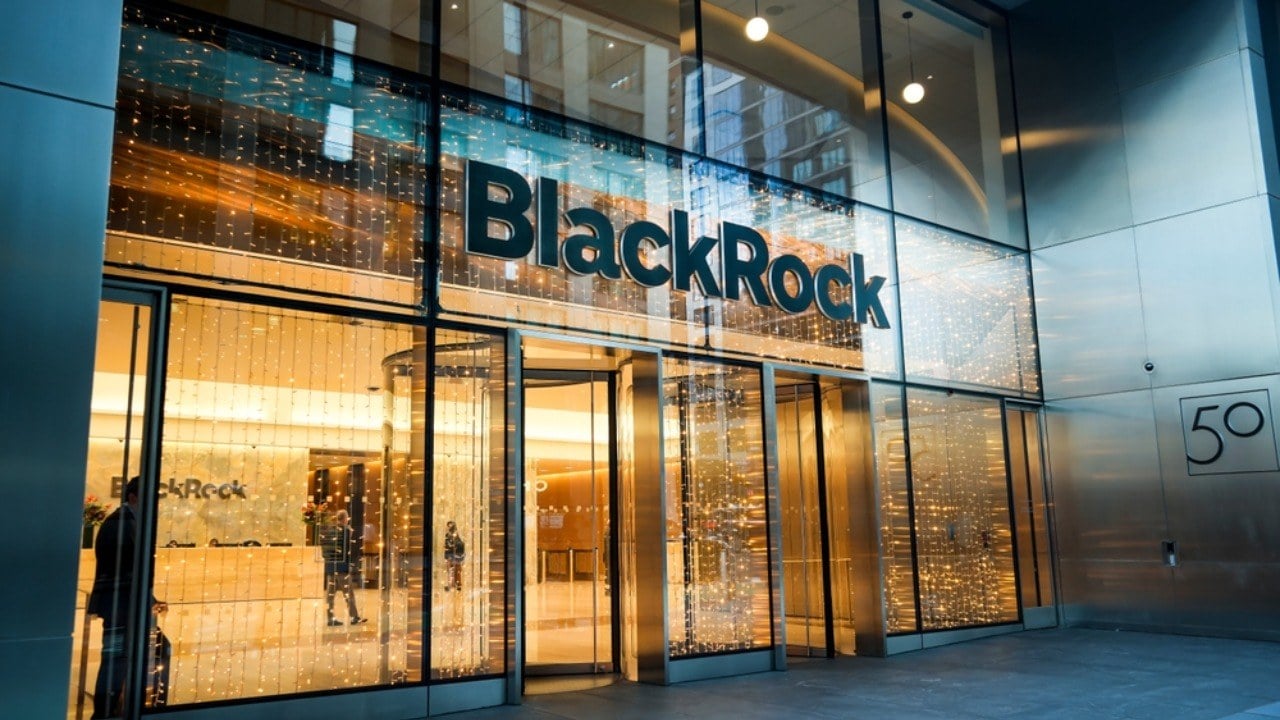
For context and further reading, consult issuer documentation directly: Ondo’s public materials are hosted on its official website and documentation portals (https://ondo.finance). Compare these with information from other large issuers like BlackRock, Franklin Templeton, Centrifuge, Maple, or MakerDAO to understand different legal and operational choices (BlackRock, Franklin Templeton, Centrifuge, Maple, MakerDAO).
What could change if a founder steps back?
When leadership transitions, the market often re-prices execution risk. In RWAs, that can show up as wider secondary-market spreads, slower primary subscriptions, or more cautious liquidity provisioning in DeFi venues. None of this means the product is unsound; it reflects the market re-evaluating the continuity of off-chain processes and the strength of the remaining team and partners.
Areas to monitor include disclosure cadence (do updates and attestations still arrive on time?), operational events (any pauses, delays, or changes to redemption windows?), and governance mechanics (are upgradability keys and multi-sig participants well documented?). If a founder maintained many external relationships—such as with custodians, administrators, or distribution partners—watch for signs that these relationships are institutionalized and not solely personality-based.
Pro tip: In RWA, “who holds the keys” extends beyond the smart contract admin. Ask who holds legal control over the off-chain assets, who can approve or refuse redemptions, and who is contractually obligated to act during stress.
Finally, consider communications quality. Professionalized transitions feature clear announcements, named successors, and reinforcement from independent directors or service providers. Silence or vague statements amplify uncertainty and can pressure secondary-market pricing.
How do you measure founder risk in RWA tokens?
You can’t remove founder risk entirely, but you can quantify and manage it. Start with the issuer’s legal architecture and then map operational dependencies. Document what is on-chain, who controls it, and what is off-chain and who operates it. Focus on the boring details: custody accounts, service agreements, audit schedules, and contingency planning.
Below is a reusable checklist you can apply to Ondo or any other RWA issuer. The more “yes” answers you can verify from primary documents, the better protected a product may be during leadership change.
- Bankruptcy-remote structure: Is there a special-purpose vehicle (SPV) or trust segregating assets from the operating company?
- Qualified custody: Are assets held with regulated custodians or in regulated funds, with named institutions and clear control rights?
- Independent oversight: Are there independent directors, trustees, administrators, or auditors with explicit mandates?
- Contract controls: Who can pause, upgrade, or blacklist tokens? Is there a timelock or multi-sig with independent signers?
- Redemption playbook: Are redemption timelines, cut-off times, fees, and stress procedures documented and tested?
- Disclosure cadence: Are financial statements, attestations, or reserve reports published regularly and archived?
- Jurisdictional clarity: Are investor eligibility, transfer restrictions, and offering exemptions clearly stated?
- Counterparty map: Are banks, brokers, market makers, transfer agents, and oracles named with replaceability clauses?
- Incident history: Are past incidents and resolutions transparently documented?
How does Ondo compare with other RWA approaches?
RWA tokenization isn’t monolithic. Ondo’s approach—tokenizing exposures to high-quality traditional instruments and plugging them into DeFi rails—sits alongside models from large asset managers and decentralized credit platforms. Use the table below as a conceptual guide to resilience levers across leading approaches. Always verify specifics directly with issuers.
Issuer/Platform Issuer type Investor access Governance locus Custody model Redemption path Ondo (e.g., tokenized Treasuries/yield notes) Crypto-native issuer interfacing with TradFi Often KYC/whitelist; varies by product/jurisdiction Mix: on-chain controls + off-chain corporate governance Traditional custodians/funds via legal entities Documented subscription/redemption, sometimes via transfer agent BlackRock (tokenized fund) Large asset manager Institutions/qualified investors per jurisdiction Primarily off-chain fund governance Qualified custodians and fund admin stack Fund operations; on-chain token mirrors share/interest Franklin Templeton (on-chain money fund representation) Large asset manager Varies; typically investors through official channels Fund board/off-chain governance; token used operationally Custody under fund’s traditional framework Through transfer agent/fund systems Centrifuge (real-world credit pools) Protocol with SPVs for asset pools Whitelisted tranches; KYC varies by pool DAO + issuer SPV governance split Collateral held by SPV/trustee Pool-specific redemption mechanics Maple (on-chain credit to institutions) Protocol with pool delegates Accredited/whitelisted in many pools DAO + delegate mandates Custody depends on lending counterparties Loan repayment and pool withdrawals MakerDAO (RWA vaults) DAO using SPVs/partners N/A for direct fund shares; impacts DAI indirectly On-chain governance with off-chain partners Custody via external managers and banks Indirect via vault mechanics and partners
The theme across models is clear: resilience comes from segregation of assets, institutional-grade custody, and clear redemption procedures. The more these elements are documented and operated by scalable institutions—not just founders—the less a leadership transition should impair product continuity.
What do ONDO and other related tokens actually represent?
Governance or ecosystem tokens associated with RWA platforms typically do not grant ownership of underlying traditional securities or a direct claim on issuer revenues unless explicitly stated in offering documents. In many frameworks, tokenized funds or notes are separate legal instruments governed by their own documents and regulated per jurisdiction. A governance token might vote on protocol parameters, incentives, or grant programs, while the RWA instruments remain under off-chain legal control.
For due diligence, read the token’s documentation and any foundation or DAO charters, then separately read the offering materials for each RWA product. Treat them as distinct. If you cannot find language assigning you cash flows, redemption rights, or seniority, assume you do not have them. This separation is common and intentional to respect securities laws and investor-protection rules.
When analyzing market sentiment around leadership changes, separate the token’s speculative or governance value from the operational reality of the RWA products. They can move together, but they are not the same asset.
What should investors do now to reduce key-person exposure?
Mitigating founder risk is about preparation, not prediction. You do not need to know if or when a transition might occur to harden your process. Use the steps below to build resilience into your allocation and operations.
- Position sizing: Cap exposure to any single issuer, chain, or product line. Consider correlation during stress.
- Redemption drill: Test a small redemption when markets are calm. Document timelines, fees, and communications.
- Custody hygiene: Prefer issuers with named, regulated custodians and clear asset segregation. Keep your own keys secure.
- Document library: Save PDFs of offering docs, terms, and attestations. Track revision history and effective dates.
- Key watcher: Monitor admin keys, multi-sig signers, and upgradability parameters. Favor timelocks with public announcements.
- Service-provider map: List banks, transfer agents, administrators, and oracles the product depends on. Look for redundancies.
- Newsflow filters: Follow official channels and independent research platforms for event-driven updates and governance proposals.
If a leadership change is announced, avoid impulsive decisions. Re-run the checklist, prioritize redemption tests, and watch the next two to three operational cycles for signs of continuity. Markets often overreact to headlines and then normalize if the issuer executes well.
What red flags and green flags should you watch?
Founder transitions magnify existing strengths or weaknesses. Use this signal-to-noise guide to frame your monitoring.
- Green flags: Named successor with relevant experience; continued on-time attestations; independent board or trustee statements; unchanged redemption timelines; new or reaffirmed agreements with custodians and administrators.
- Yellow flags: Delayed communications; small operational hiccups; turnover in second-line leadership without clear replacements; incremental changes to terms without full explanation.
- Red flags: Redemption pauses without clear cause; withdrawal of key service providers; governance keys reconfigured to fewer insiders; legal disputes emerging without transparent updates.
Remember that many RWA products operate under regulatory obligations and cannot disclose everything instantly. Distinguish between prudent, staged communications and avoidable opacity.
Common Mistakes
- Confusing governance tokens with fund interests: A platform token rarely entitles you to yields or redemptions from the underlying RWA. Read both token and product documents closely.
- Ignoring off-chain control: Focusing only on smart contracts misses who can approve or refuse redemptions and who controls bank and custody accounts.
- Over-relying on TVL dashboards: Aggregators can double-count or miss off-chain assets. Prioritize issuer attestations and audit reports.
- Skipping small test transactions: Waiting to learn the redemption process during stress is costly. Test workflows in calm markets.
- Concentrating on one issuer: Even high-quality RWAs can face idiosyncratic shocks. Diversify across issuers, structures, and chains.
- Assuming continuity equals safety: Long operating history helps, but review admin keys, incident logs, and service-provider depth regularly.
For ongoing coverage of tokenized assets, governance shifts, and RWA market structure, you can follow analysis and news at Crypto Daily.
Frequently Asked Questions
Does a leadership change automatically halt redemptions for RWA tokens?
No. Redemptions are governed by offering documents and operational capacity, not headlines. If the legal structure, custodians, and administrators remain in place, redemptions can continue. Always check official notices for any temporary pauses or procedural updates.
What happens to a tokenized Treasury product if the issuer’s operating company fails?
It depends on the structure. Many RWA issuers use bankruptcy-remote SPVs or trusts designed to segregate assets from the operating company’s creditors. If that’s the case and documents are enforceable, investor claims should flow through the SPV or trustee. Verify this in the product’s legal documentation; do not assume.
Are ONDO token holders entitled to yields from OUSG- or USDY-style products?
Unless explicitly granted in legal documents, governance or ecosystem tokens typically do not convey rights to fund income, redemptions, or collateral. Treat them as separate exposures: one to platform governance or incentives, the other to the regulated instrument itself.
How can I tell who controls upgrades or pauses on an RWA token contract?
Review the smart contract’s admin functions, proxy pattern, and any timelocks or multi-sig arrangements. Many teams publish addresses and signers. Cross-check announcements with on-chain data and independent explorers. If you cannot find this information, ask the issuer directly.
What due diligence can a non-institutional user perform if access is whitelisted?
You can still read offering memoranda, attestations, auditor opinions (if published), and contract repositories. You can also follow third-party research, watch on-chain movements of the token, and request information via official support channels. Running a small subscription or redemption, if eligible, is the best test of operational quality.
Do large brand-name partners eliminate founder risk?
No. Big names help, but contracts matter more than logos. Read which party is obligated to do what under which conditions and how they can be replaced. Brand strength does not replace clear legal rights and documented processes.
What’s the single most important question to ask about RWA resilience?
If something goes wrong—leadership change, market stress, or technical issue—who is contractually obligated to process my redemption, in what timeframe, under whose oversight, and with which assets? If that answer is not crystal clear, push for documentation before increasing exposure.
Disclaimer: This article is provided for informational purposes only. It is not offered or intended to be used as legal, tax, investment, financial, or other advice.






 English (US) ·