
 3 hours ago
18
3 hours ago
18
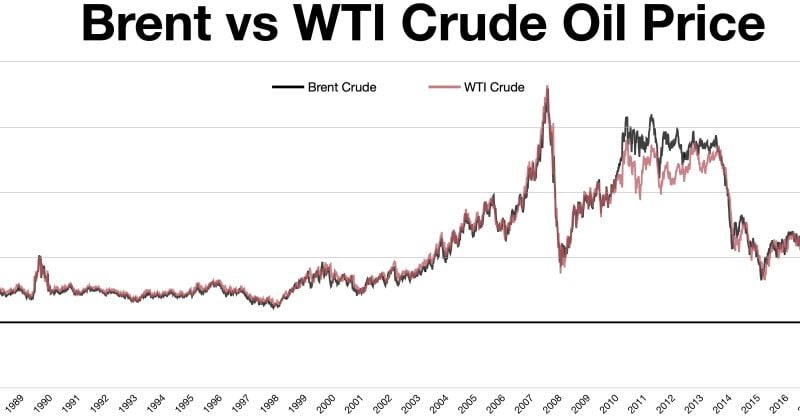
OPEC+, the coalition of oil-producing nations led by Saudi Arabia and Russia, plans to pause its oil output hikes, according to reports. This decision comes after the group increased production targets by approximately 2.9 million barrels per day since April, accounting for about 2.7% of global supply. The move to halt further increases reflects concerns over a potential oil glut and weaker seasonal demand anticipated later in the year. Market reactions have been mixed, with Brent crude in the mid-$60s and WTI in the low $60s, indicating expectations of moderate supply-demand conditions.
The news holds significance for oil stock prices, as OPEC+’s decision aims to stave off further downward pressure on crude prices, potentially stabilizing revenues for oil producers and related energy companies. Market participants are closely watching developments, as the current environment suggests a focus on managing supply to balance market conditions.
In prediction markets, the likelihood of crude oil reaching a new all-time high by September 30 has decreased, with odds now at 5.5% from 6% a day earlier and 8% a week ago. This reflects a cautious market sentiment in response to OPEC+’s production strategy and prevailing market conditions.
Key Takeaways
- OPEC+ appears to be pausing oil output hikes to manage potential oversupply and weaker demand forecasts.
- Market pricing suggests participants view the likelihood of crude oil reaching a new all-time high by September 30 as decreasing.
- The decision is consistent with efforts to stabilize crude prices and maintain revenue levels for oil producers.
What to Watch
Observers will monitor announcements from OPEC+ leaders, particularly any further adjustments to production targets. Changes in geopolitical conditions or significant shifts in global oil demand could alter market expectations. The next key indicator will be updates from major energy agencies, which could provide additional insights into supply-demand dynamics and influence market pricing.
Get live prediction-market analysis, powered by Vera. Sign up for Vera.
Disclosure: This article was edited by Estefano Gomez. For more information on how we create and review content, see our Editorial Policy.







 English (US) ·