
 3 months ago
87
3 months ago
87
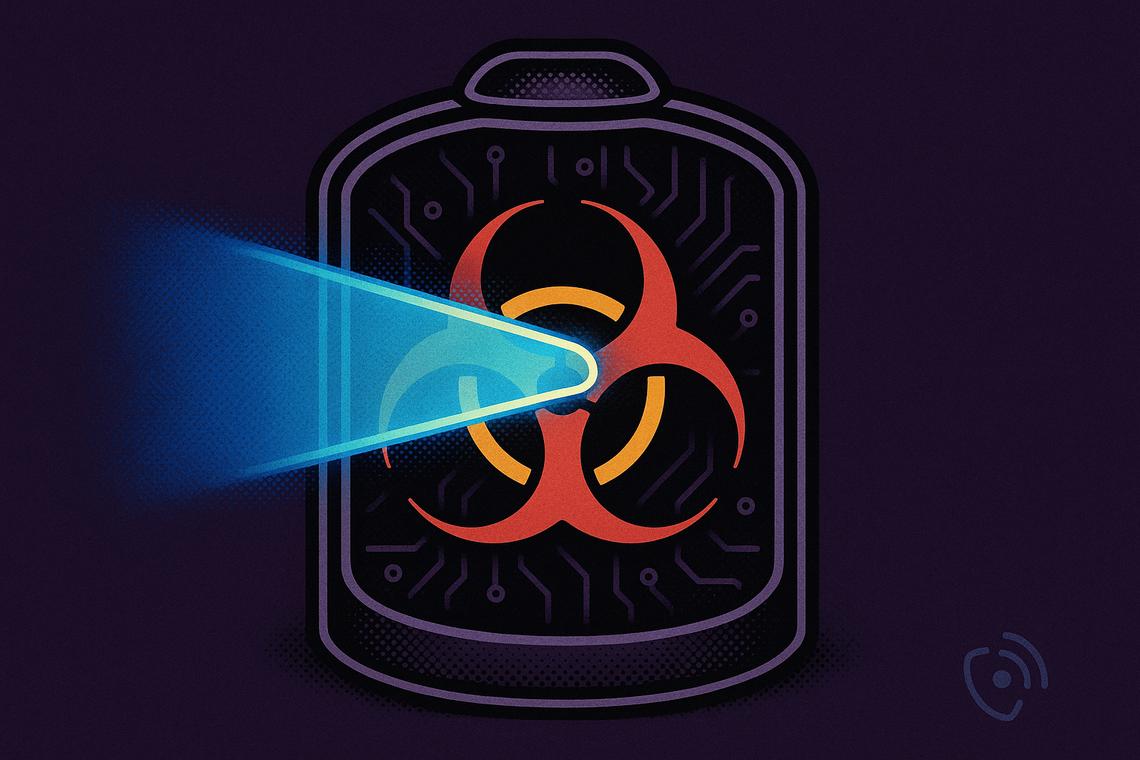
A new OpenAI biodefense program is pushing the company deeper into one of AI’s most sensitive frontiers: pandemic preparedness. The move is not just about building models. It combines startup investing, policy engagement, and safety systems aimed at spotting biological threats before they turn into wider crises.
That strategy has been taking shape for months. In July 2025, OpenAI brought together government entities, NGOs, and researchers for a biodefense summit focused on countermeasures and dual-use risks. Then, within weeks later that year, it backed two startups working on biological risk detection and mitigation.
The pattern matters because it shows OpenAI treating biosecurity less like a side research topic and more like an emerging operating priority. At a time when AI’s role in life sciences is expanding fast, the company appears to be building a position that spans tools, partnerships, and guardrails all at once.
OpenAI biodefense program takes shape
OpenAI launched a OpenAI biodefense program to enhance pandemic preparedness on May. 29, 2026, formalizing a broader push that had already become visible through funding and convening efforts.
The company’s approach, based on the available details, has three clear parts: backing startups, engaging outside stakeholders, and developing internal systems to evaluate biological risk. Taken together, those moves point to a more structured biodefense strategy centered on detecting and mitigating biological threats early.
This is one reason the OpenAI biodefense program is drawing attention beyond the AI industry. Pandemic preparedness is not only a public health issue; it is also becoming a test case for how advanced AI companies handle technologies with clear dual-use risks. In biology, the upside can be large, but so can the consequences of misuse or weak safeguards.
OpenAI has also been developing GPT-Rosalind, a biology-focused model. Details remain limited, but the project adds another layer to the company’s life sciences ambitions. Its name appears to reference chemist Rosalind Franklin, whose X-ray diffraction work was critical to understanding DNA’s structure.
Startup bets show the strategy in action
The clearest signal came from OpenAI’s investment activity.
On November 13, 2025, OpenAI led a $15 million seed round for Red Queen Bio. The startup is focused on mitigating biological risks that may emerge as AI capabilities become more accessible.
Just weeks earlier, in late October 2025, Valthos emerged from stealth with $30 million in funding. Valthos is working on real-time identification of biological threats, effectively aiming to create an early warning system for pathogens and bioweapons.
Together, those two deals put $45 million behind a narrow but increasingly important slice of the AI-and-life-sciences market. That does not just show financial interest. It shows where OpenAI believes practical biosecurity AI may be built fastest: in specialized companies focused on detection and risk reduction.
A short way to understand the strategy is this:
- Red Queen Bio targets biological risks linked to more widely available AI capabilities.
- Valthos focuses on real-time identification of biological threats.
- OpenAI is positioning itself around both prevention and early warning.
That matters for investors and for the broader industry. When a major AI player starts placing targeted bets in biodefense, it can help define a new category. It also strengthens the idea that life sciences may become one of the next major fields where specialized AI models and infrastructure compete for relevance.
Safety, regulation, and the road ahead
The OpenAI biodefense program is also tied to a safety argument. OpenAI maintains a Preparedness Framework, a classification system designed to assess the biological capabilities of its models and apply stricter safeguards when those capabilities cross higher-risk thresholds.
That framework is more than a technical process. It is part of how OpenAI is trying to show that it can pursue biosecurity AI while also acknowledging the dangers of dual-use biology applications. In practice, that could become increasingly important as governments pay closer attention to how powerful models are used in life sciences.
The July 2025 biodefense summit fits into that same logic. By bringing together government entities, NGOs, and researchers, OpenAI was not only gathering input. It was also helping shape the conversation around countermeasures, biological threats, and acceptable guardrails for AI systems in this space.
Why this matters for pandemic preparedness
The biggest significance of the OpenAI biodefense program may be how it connects preparedness with deployment. Many AI companies talk broadly about science and health. OpenAI’s recent activity points to a more specific bet that biological threat detection, model oversight, and outside coordination need to develop together.
That is a notable shift. Pandemic preparedness often becomes urgent only after a crisis begins. OpenAI’s investments in Red Queen Bio and Valthos suggest an attempt to move earlier in the chain, toward identifying and mitigating threats before they escalate.
There is also a harder business and policy reality underneath the strategy. Biodefense is not a field where rough approximations are good enough. False positives can drain attention and resources. False negatives can be much worse. That raises the bar for startups and for the larger platforms backing them.
Regulation could shape what comes next
Regulatory pressure is rising as governments become more aware of AI’s dual-use potential in biology. No specific regulator is named here, but the direction is clear: companies working at the intersection of advanced AI and life sciences are likely to face tougher scrutiny.
That is where the Preparedness Framework could give OpenAI an advantage. If restrictions tighten, companies that already have biological capability assessments and safety thresholds in place may be better positioned to keep deploying tools while others scramble to adapt.
At the same time, regulation could limit how far and how fast the company can push biology-focused models such as GPT-Rosalind. The opportunity in life sciences is growing, but so is the expectation that safety systems must be built in before those tools become widely used.
For now, the OpenAI biodefense program looks less like a single product launch and more like the outline of a larger play: capital into specialized startups, deeper ties with outside stakeholders, and internal controls designed for a high-stakes domain. If that approach holds, biodefense could become one of the clearest examples of how OpenAI wants to balance ambition with restraint in the next phase of AI’s expansion.






 English (US) ·