
 1 hour ago
16
1 hour ago
16
Pakistan just pulled off something it hasn’t managed since it secretly helped Richard Nixon open a back channel to Mao Zedong in 1971. The country brokered a ceasefire between the United States and Iran, ending a conflict that had raged for over 100 days, shuttered the Strait of Hormuz, and sent energy markets into a prolonged panic.
The April 8, 2026 ceasefire was only the beginning. What followed were the first direct US-Iran talks since 1979, held in Islamabad on April 11-12, eventually producing a formal agreement known as the Islamabad Memorandum in mid-June. For a country more often discussed in the context of IMF bailouts and domestic political crises, this is a seismic shift in geopolitical standing.
How Pakistan threaded the needle
Prime Minister Shehbaz Sharif, Army Chief Field Marshal Asim Munir, and Foreign Minister Ishaq Dar each played distinct roles in the mediation process. The effort leveraged Pakistan’s existing relationships with both the US and Saudi Arabia, a balancing act that Islamabad has historically described as “bridge diplomacy.”
The Islamabad Memorandum, signed around June 17-19, laid out three core objectives: end active hostilities, reopen the Strait of Hormuz, and establish a 60-day framework for further negotiations on nuclear capabilities and sanctions. US Secretary of State Marco Rubio publicly praised Pakistan’s mediation efforts in late May 2026.
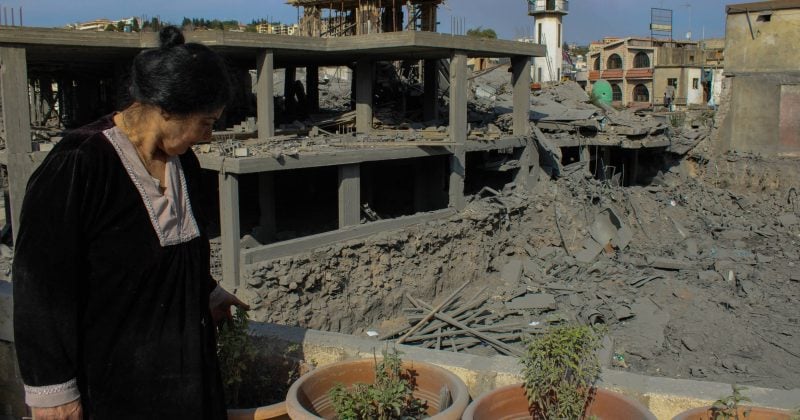
The conflict itself was devastating. Thousands of casualties were reported, concentrated primarily in Iran and Lebanon. The Strait of Hormuz, through which roughly a fifth of the world’s oil supply passes on any given day, was effectively closed during portions of the conflict.
The crypto angle: $1 billion in seized Iranian assets
During the conflict, US authorities seized approximately $1 billion in Iranian crypto assets. No specific cryptocurrencies or blockchain projects were directly tied to the mediation process itself.
What this means for investors
The reopening of the Strait of Hormuz is the single most important variable for energy markets. Oil and gas equities that were hammered during the conflict’s peak now face a potential recovery window.
The 60-day negotiation window established by the Islamabad Memorandum is the next catalyst to watch. If those talks produce a durable framework on nuclear issues and sanctions relief, it could meaningfully alter the sanctions enforcement landscape that has driven much of the recent crypto seizure activity.
The $1 billion seizure demonstrates that the US views digital assets as a legitimate theater of financial warfare, validating crypto’s importance while signaling its vulnerability to state action.
Disclosure: This article was edited by Editorial Team. For more information on how we create and review content, see our Editorial Policy.







 English (US) ·