
 1 month ago
67
1 month ago
67
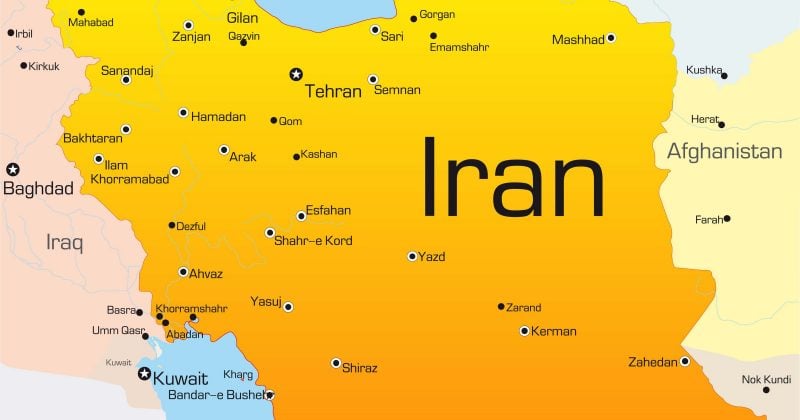
Global oil prices dropped more than 4% on June 14 after Pakistan Prime Minister Shehbaz Sharif announced a preliminary peace agreement between the United States and Iran. The formal signing is now expected on June 19 in Geneva, and Pakistan’s foreign minister expects the ceremony to mark the beginning of lasting peace between the two nations.
The agreement reportedly calls for the immediate cessation of military operations across multiple fronts, including Lebanon. US President Donald Trump confirmed the deal’s provisions shortly after Sharif’s announcement, highlighting two critical elements: the reopening of the Strait of Hormuz and the lifting of a US naval blockade in the region.
The Strait of Hormuz matters because roughly one-fifth of the world’s oil supply passes through it.
The negotiations that produced this deal were neither quick nor geographically simple. Talks took place across Oman, Rome, Geneva, and Islamabad, beginning in April 2025. Pakistan served as a key mediator throughout the process, which explains why Sharif got to make the announcement before Trump weighed in.
The details of the agreement remain largely undisclosed beyond those headline provisions. Complex issues, particularly around Iran’s nuclear capabilities, are not resolved by this preliminary accord. Those discussions are expected to continue after the June 19 signing.
While the diplomatic track moved toward de-escalation, the US Treasury was simultaneously tightening the screws on Iran’s digital financial infrastructure. On June 2, the Treasury imposed sanctions on Nobitex, Iran’s largest digital asset exchange, citing allegations of terrorism financing and sanctions evasion.
Nearly $500 million in crypto assets linked to Iran were seized as part of what officials described as a broader pressure campaign.
The immediate market impact was concentrated in energy. Oil’s 4%-plus drop on the day of the announcement reflects traders pricing in a scenario where the Strait of Hormuz stays open and supply disruptions ease.
The Nobitex sanctions and the seizure of nearly $500 million in Iranian-linked digital assets create a chilling effect on any exchange or protocol that might have exposure to sanctioned entities.
Disclosure: This article was edited by Editorial Team. For more information on how we create and review content, see our Editorial Policy.




 English (US) ·